

SPECIAL REPORT
PEARLS
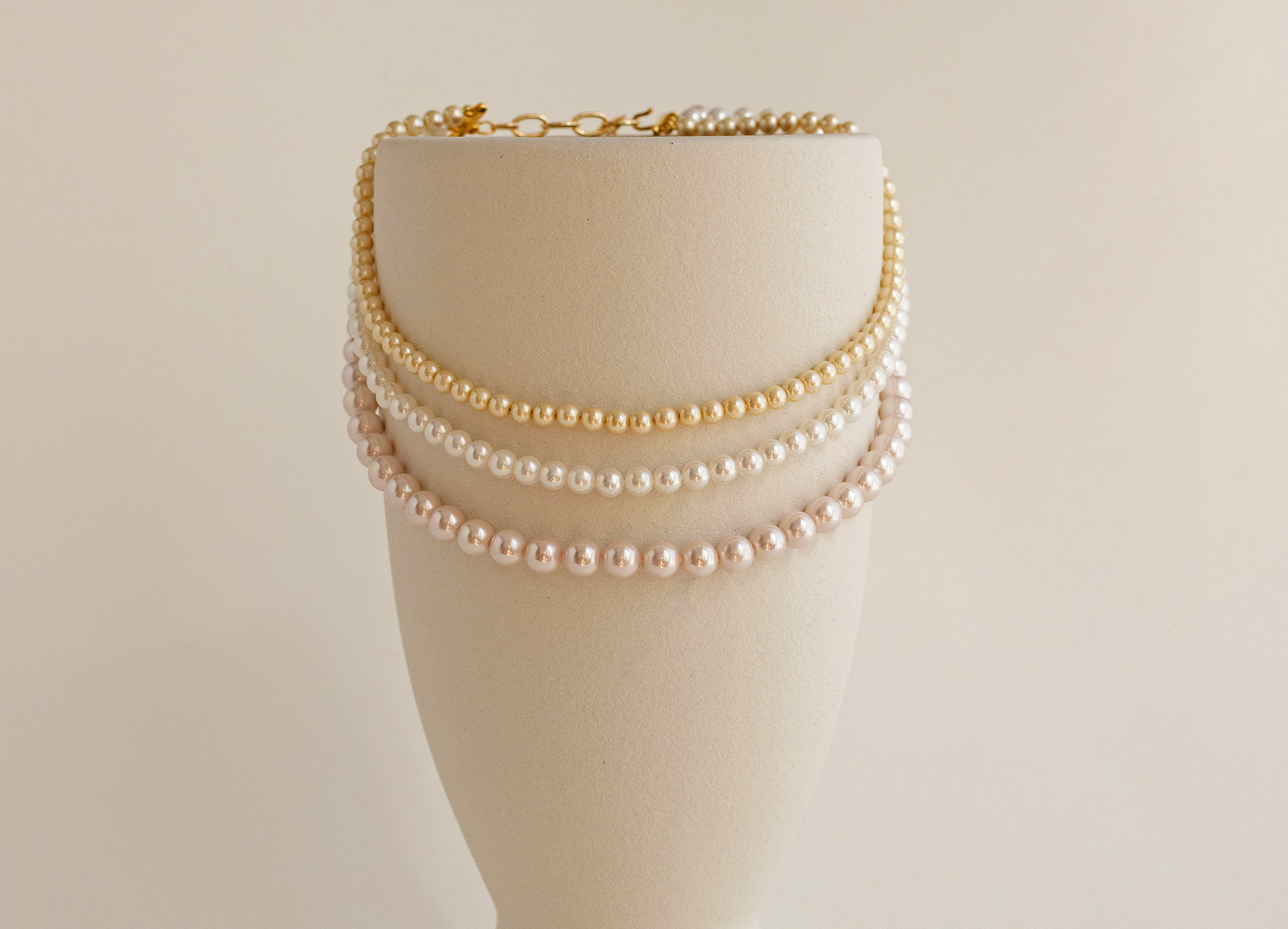
Photo credit: Any Melnic on Pexels.com.
Reflecting on 100 years of development

By Kenneth Scarratt
President
Pearl Commission
The Pearl Commission’s 2026 annual report begins by reflecting on the strong association between pearls and CIBJO’s history, as well as the ongoing demand for accurate nomenclature and transparent communication. It then provides an update on the Australian South Sea cultured pearl market, along with brief updates on the CIBJO Pearl Blue Book standard and the CIBJO Pearl Guide. The report also discusses the continuing debate over a potential universal grading system for cultured pearls.
Other topics include the importance of maintaining genetic diversity in Akoya oysters, and the ways in which pearling may contribute to the global societal goal of halting and reversing nature loss by 2030 and becoming “nature positive”. There is also a brief update on how DANAT has advanced its sustainability agenda through the publication of its inaugural Sustainability Report, which addresses natural pearling.
Finally, having previously discussed how the establishment of gemmological laboratories is inextricably linked to natural and cultured pearls, the report presents three short contributions—one from DANAT, Bahrain Institute for Pearls and Gemstones, and two from the Gemological Institute of America (GIA) —highlighting the scientific work being undertaken to improve our understanding of both natural and cultured pearls.
An interesting century
CIBJO’s 100-year history, particularly its origins, coincides with one of the most significant periods in the development of the global pearl market. In 1926, CIBJO’s precursor, BIBOA, was established to represent and advance the interests of the jewellery trade in Europe. This occurred at precisely the time when the first major “crisis of confidence” was affecting jewellery markets, particularly in London and Paris — the principal trading hubs — as well as in the producing nations. The crisis was prompted by the commercial production and introduction of bead-cultured pearls into what had previously been an entirely natural pearl market.
The resulting turbulence was considerable, leading to numerous court cases, particularly in the United Kingom and France, concerning the appropriate descriptive terms to be used. The terminology for these new products was the subject of a landmark French court ruling in 1924, when Parisian jewellers sought to label them as fakes. However, the court ruled that the term “cultured pearl” was appropriate, as it described a product whose formation had involved human intervention.
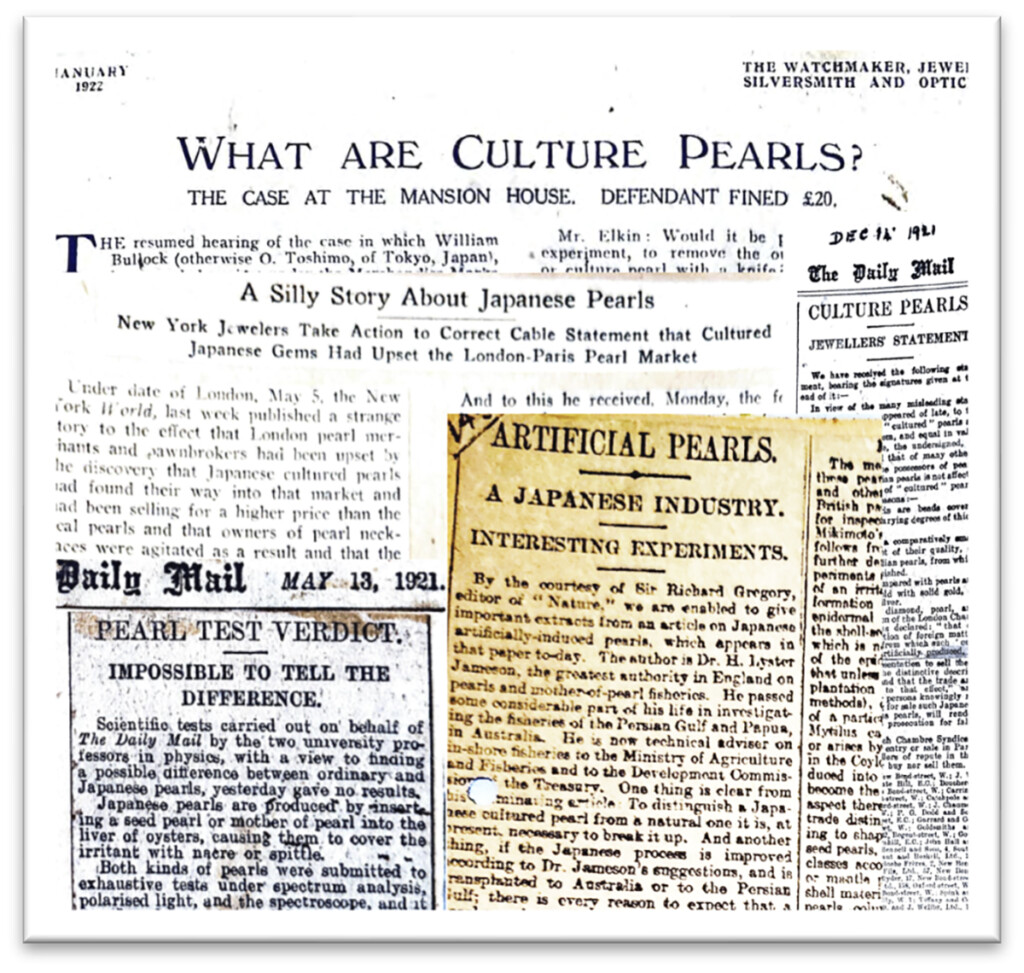
Newspaper clippings from 1920 and 1921 that demonstrate the concerns and interest there was concerning the introduction of the cultured pearl.
These historical and legal disputes, which continued for approximately a decade, shaped the modern jewellery industry’s approach to nomenclature and disclosure in several ways. They were certainly among the first issues considered by CIBJO during its early years. Since then, as stated clearly in the CIBJO Pearl Blue Book Standard, the term “cultured” has had to be used in all sales to ensure that buyers understand that the formation process was initiated by human intervention.
Between 1925 and 1927, significant investments were made by the London and Paris chambers of commerce in the development of specialised gemmological laboratories. Their aim was to establish techniques for distinguishing cultured pearls from natural pearls. These laboratories were the forerunners of today’s specialised facilities serving the gemstone and pearl markets worldwide.
However, they were located in consumer hubs far removed from the natural pearl-producing countries of the time, namely Bahrain, Ceylon, Kuwait, Qatar and the Trucial States. In these regions, concerns about the possible mixing of bead-cultured pearls with natural supplies were even greater, given that entire economies depended on natural pearling. In Bahrain, in particular, a committee of experts was established to inspect pearls visually as they entered the market and to separate them using experience-based assessment alone.
During the decade following the establishment of the London and Paris laboratories, numerous instruments were developed to assist in distinguishing cultured pearls from natural pearls. These included the Lucidoscope, Pearl Compass, Pearlometer, Endoscope, Laue diffraction and Pearloscope. Such innovations eventually led to the methods used in modern pearl-testing laboratories, where high-resolution computerised imaging and spectroscopy today play significant roles in the identification process.
On the cultured pearl production front, the success of Akoya bead-cultured pearls in Japan coincided with the replacement of mother-of-pearl buttons by plastic, which caused a collapse in mother-of-pearl prices during the 1950s. Nick Paspaley Snr MBE (1913–1984), aware that the Japanese had been unsuccessful in persuading the Australian Government to allow them to fish for pearl oysters in shallower Australian waters, sought to prevent the Australian pearling fleet from being scrapped. He invited Alan Gerdau of New York and Mr Kuribayashi of Japan to a meeting in Darwin to discuss the creation of a cultured pearl industry in Australia.
Rather than closing the Australian pearling fleet, he proposed a joint venture in which the Australian fleet would catch pearl oysters and Japanese pearl technicians would produce cultured pearls.
Following this meeting, two joint-venture projects with Japanese partners were agreed in 1953, and two farms were established. The first, at Kuri Bay in Western Australia—named after Kuribayashi—was operated by Kuribayashi, Alan Gerdau and Sam Male and commenced operations in 1955. The second, the Arafura joint venture, was located just north of Darwin and was established by Kuribayashi and Nick Paspaley. It commenced operations in 1954.
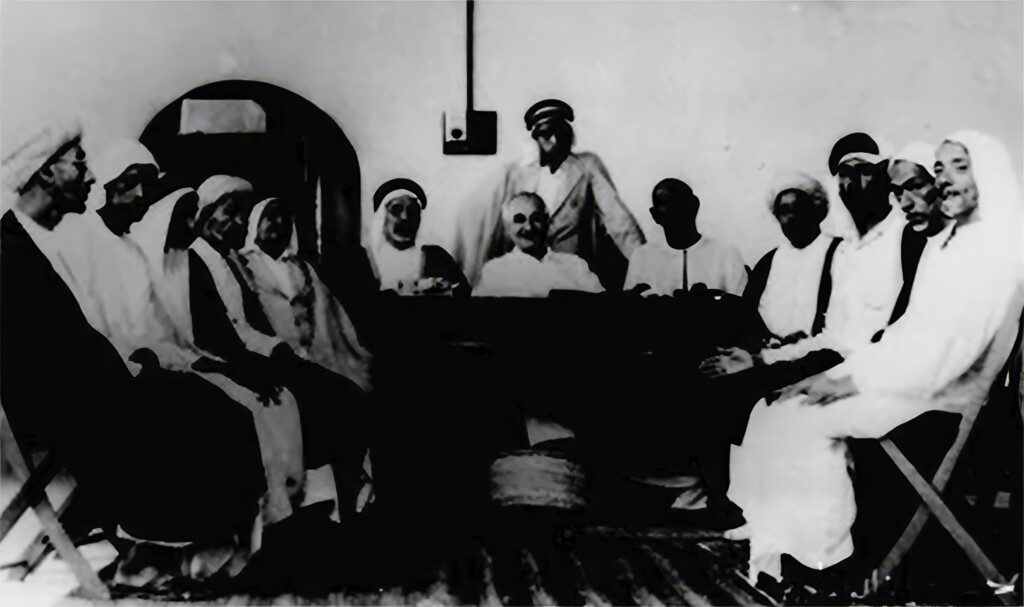
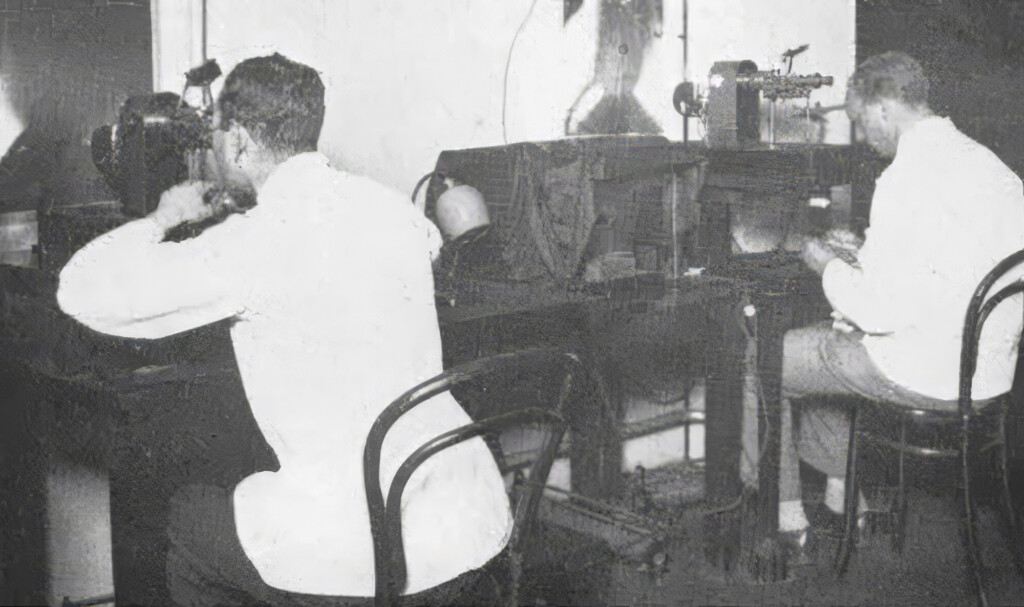

Above: The Bahrain Pearl Committee tasked with separating the cultured from the natural pearls. Centre: Pearl testing using the pearl endoscope in a laboratory in the 1920s and 1930s. Below: A pearl testing using high resolution x-ray imaging in a laboratory in 2026
Hiroshi Iwaki was sent to Australia to develop both farms, although no farm licence was issued until 1960. Nevertheless, these projects marked the beginning of the next stage in the development of bead-cultured pearls, this time using the much larger Pinctada maxima.
Within a few years of this momentous move towards pearl cultivation in Australia, CIBJO was restructured in 1961 as an organisation with global representation. In 1968, it published its first deliberations on terminology and trade practices. These formed the basis of the first Blue Book standards, which have since become global benchmarks for acceptable practices in the pearl, diamond and coloured-stone industries.
In recent years, guides covering pearls, coral, opal and jade have been added to complement the Blue Books.

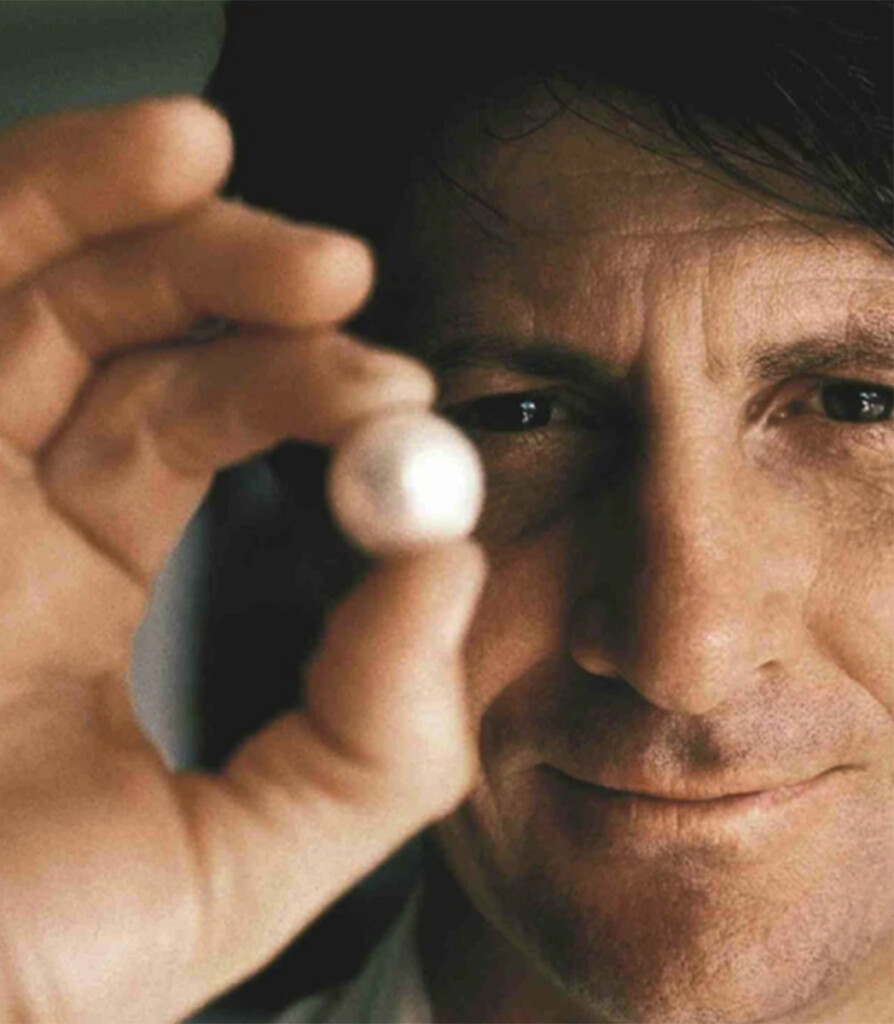
Nick Paspaley Snr., MBE., 1913-1984 (left) and Nick Paspaley Jnr., AC.
Pearl Blue Book and Guides
Following the successful Paris congress, the CIBJO Pearl Commission has continued its work to update and improve its Blue Book and Guides.
The Guide for Describing and Classifying Natural and Cultured Pearls, the Producing Molluscs & Responsible Pearling is a 268-page, fully illustrated document providing an overarching view of both natural and cultured pearls. It is now available in English as a free PDF download at https://cibjo.org/the-guidelines/.
With regard to the CIBJO Pearl Blue Book, the Pearl Commission Steering Committee has, in recent months, acted on a recommendation made during the Paris Congress. In recognition of the considerable amount of content contained in its 78 pages, and to make it easier to read, the committee has highlighted the key guidance clauses with a red border. The updated version will be available at https://cibjo.org/the-blue-books/ following its approval at the Vicenza Congress.
As always, the guidance provided in both the Blue Book and the Guide prioritises the development and strengthening of consumer confidence in pearls.
Pearl classification and grading
Over the past year, and following an application to ISO, there has been some debate regarding the adoption of a universal grading system for cultured pearls. After extensive discussion of the ISO application, the CIBJO Pearl Commission Steering Committee indicated that it could not support the application in its current form.
This may, to some extent, be explained by the statement on page 145 of the CIBJO Pearl Guide:
“The absence of a universal language or approach to pearls lies in great part with the different needs of the various sectors of the pearl trade. Despite the 4Cs comparison, pearl classification and pearl grading are distinct, and both differ from diamond grading. The uniqueness of pearls requires a different approach from that used for other gems. Pearl quality is affected by multiple environmental factors, while harvest yields and profiles can vary greatly between species and origins. All of these factors affect supply and value over time.”
The Guide develops this point by briefly describing five notable classification systems: natural pearls from the Akoya complex; the GIA pearl value factors; Pinctada maxima cultured pearls; Japanese Akoya cultured pearls; and Chinese freshwater cultured pearls. More examples, including the Akamatsu grid matrix shown below, will be added in a future edition. Each system has its own internal logic, but they all differ to some extent from one another.
It is understood that the ISO application is being amended in response to the concerns expressed.
Australian South Sea Cultured Pearl Market Report 2025–2026
By Peter Bracher
The past 12 months have been characterised by a gradual improvement in confidence throughout much of the pearl trade, following the challenging market conditions experienced during 2024 and early 2025. Although demand remains uneven across regions and product categories, there are encouraging signs that inventories accumulated in recent years are gradually being absorbed and that the market is returning to a more sustainable balance between supply and demand.
In the wholesale sector, demand for high-quality South Sea cultured pearls has remained comparatively resilient. Well-matched strands, exceptional loose pearls, and pearls displaying strong natural lustre and desirable colours have continued to attract competitive bidding from international buyers. More commercial qualities have experienced a slower recovery, particularly where inventories remain elevated. Buyers generally continue to exercise caution, purchasing closer to their immediate requirements rather than building significant stock positions.
A notable feature of the market has been the increasing emphasis on rarity, provenance, and authenticity. Consumers appear to be showing a growing appreciation for natural characteristics, unique shapes, and the individuality of pearls. This trend has generally favoured South Sea cultured pearls, whose scarcity, size, and natural colours distinguish them from many other luxury products.
Photo credit: Rodolfo Clix on Pexels.com.
The broader jewellery sector has continued to embrace pearls as an important category rather than a seasonal fashion trend. Pearls are now regularly featured by major luxury houses in both classic and contemporary collections and are increasingly being incorporated into everyday jewellery. Their continued popularity among younger consumers reflects a shift away from traditional perceptions of pearls as formal or occasion-specific jewellery.
Another significant trend has been sustained consumer interest in sustainability and environmental impact. Saltwater pearl producers are uniquely positioned in this regard because healthy aquatic ecosystems are fundamental to successful pearl cultivation. Industry initiatives focusing on environmental stewardship, responsible sourcing, and transparent production practices continue to resonate with consumers and luxury brands alike. Recent discussions within CIBJO and other industry organisations have reinforced the importance of developing clear frameworks for communicating these benefits effectively to the market.
At industry level, considerable attention has been directed towards issues of terminology, classification, and disclosure. Discussions within CIBJO and standards organisations concerning pearl classification have highlighted the diversity of pearl types and the importance of maintaining grading systems that accurately reflect the unique characteristics of individual categories, rather than attempting to apply a single methodology to all pearl types. These discussions underline the industry’s ongoing commitment to consumer confidence and transparent trade practices.
The production of Australian South Sea cultured pearls remains relatively stable. Unlike many other products, supply cannot be increased rapidly in response to market demand because of biological growth cycles, sustainability requirements, and long-standing regulatory controls governing wild-oyster collection and pearl-farming activities. As a result, the supply of fine South Sea cultured pearls continues to be inherently limited. This structural scarcity remains one of the key factors supporting the long-term value proposition of South Sea cultured pearls within the global luxury market.
Looking ahead, there is cautious optimism among many industry participants. Although economic uncertainty continues to influence luxury spending in some markets, pearls have demonstrated remarkable resilience and remain highly relevant to contemporary jewellery design. The combination of rarity, natural beauty, sustainability credentials, and growing consumer appreciation suggests positive long-term prospects for the global pearl industry.
Grid Matrix of Quality Factor Elements
By Shigeru Akamatsu
A quality factor elements grid matrix for indicating the quality of cultured pearls has been developed.
The system evaluates each of the four quality factors of a pearl — shape, nacre thickness, flaws and lustre — on a three-point scale from 1 to 3.
The evaluation results are arranged in the order of shape, nacre thickness, flaws and lustre to form a four-digit number, which is then mapped onto a quality factor elements grid matrix consisting of 81 grids to indicate the pearl’s quality.
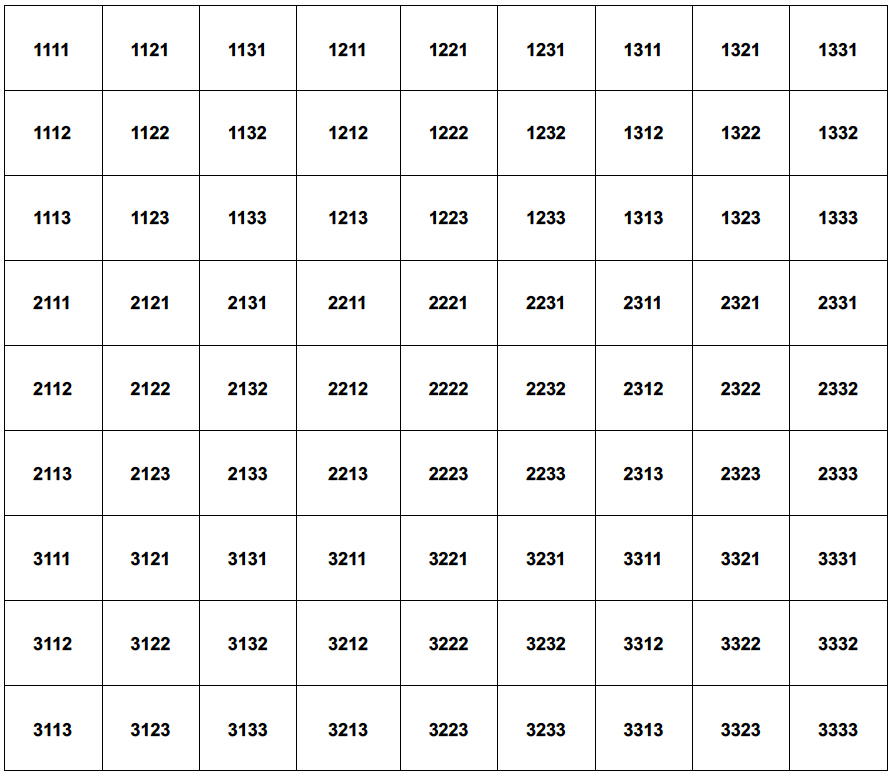
Pearl quality elements grid matrix.
Two new documents from the Japan Pearl Promotion Society
The Cultured Pearl Guide
The Cultured Pearl Guide is largely a promotional document, but it is well worth reading. Its purpose is to detail:
“The role and principles Japan has played in the development of the cultured pearl industry, which it established and spread around the world, including technological development, industrialisation, commercialisation, quality classification and appraisal, and sustainability.”
The guide was compiled to help people around the world understand the history of the cultured pearl industry and how it should develop. It also serves as a guide for the next generation that will carry the global pearl industry forward.
Pearl Standard 2025
The Pearl Standard 2025 stems from the Pearl Promotion Law, enacted on June 7, 2016. In light of the newly enacted law, the purpose of the Pearl Standard is to ensure the sustainability of the gemmological value of pearls and the jewellery culture derived from that value.
It aims to ensure that everyone involved with pearls — including producers, processors, distributors, dealers, consumers, government officials and other related parties —s hares a common understanding of information concerning cultured pearls, an area in which Japan is a world leader in technological development.
The Pearl Standard sets out matters relating to the history, definition, gemmological value, quality, processing and treatment, identification, relevant laws and regulations, and other aspects of pearls.
Both the Cultured Pearl Guide and the Pearl Standard 2025 are produced by the Japan Pearl Promotion Society:
Japan Pearl Promotion Society
5F, Korou Building
1-11-8 Nihonbashi Kayabacho
Chuo-ku, Tokyo 103-0025
Japan
Tel: 03-6231-0265
Fax: 03-6231-0266
Website: http://jp-pearl.com/
The importance of maintaining genetic diversity in Akoya oysters
By Ryuichiro Machizawa
In recent years, research into genetics has made significant progress in the life sciences, and molecular biological research on pearls has advanced rapidly worldwide. In 2012, a research group led by the Okinawa Institute of Science and Technology (OIST) sequenced the entire genome of the Japanese Akoya oyster (Pinctada fucata martensii) — the first such achievement in the world. Furthermore, in 2022, findings from a high-precision, chromosome-scale analysis of the Akoya oyster genome revealed that maintaining genetic diversity is crucial to preserving the oyster’s biological defence functions.
Maintaining a high level of genetic diversity is directly linked to the survival of Akoya oysters and the stability of pearl production. When genetic diversity is high within an Akoya oyster population, the diversity of genes related to biological defence, including immunity, also increases. This enables the population to respond more flexibly to a range of pathogens.
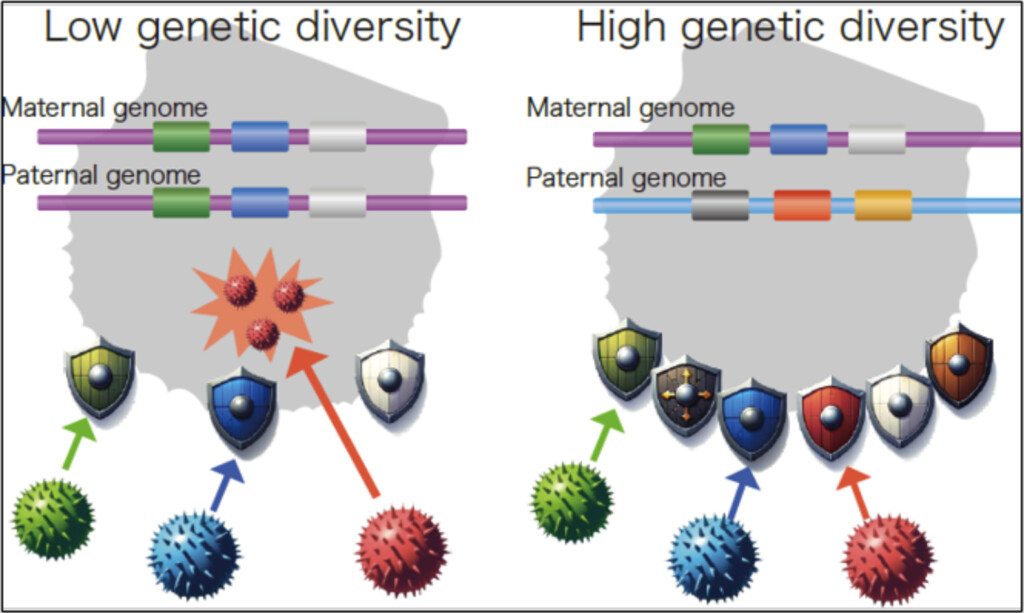
The vulnerability of oysters with low gemetic diversity. ©Takeshi Takeuchi
Conversely, a decline in genetic diversity reduces the diversity of defence genes, limiting the range of pathogens that a population can withstand. This increases the risk of severe damage to the entire population if a particular disease becomes endemic. Furthermore, a decline in diversity can lead to genetic deterioration. It is therefore essential to prevent this decline in order to improve the efficiency of seed production and stabilise yields.
In April 2024, the Japan Pearl Promotion Society established a genome research laboratory at the Pearl Research Institute of K. Mikimoto & Co., Ltd. The laboratory serves as a base for genetic analysis, research and development aimed at ensuring a stable supply of high-quality pearl oysters.
The following initiatives are being undertaken to maintain genetic diversity. First, genomic analyses are being conducted on Akoya oyster populations and lineages to assess quantitatively the degree of inbreeding and the level of genetic diversity. The information obtained is being used at artificial seed-production facilities to establish a method of producing artificial seed. This involves selecting suitable parent oysters while avoiding inbreeding, and carrying out planned mating programmes to prevent a decline in genetic diversity.
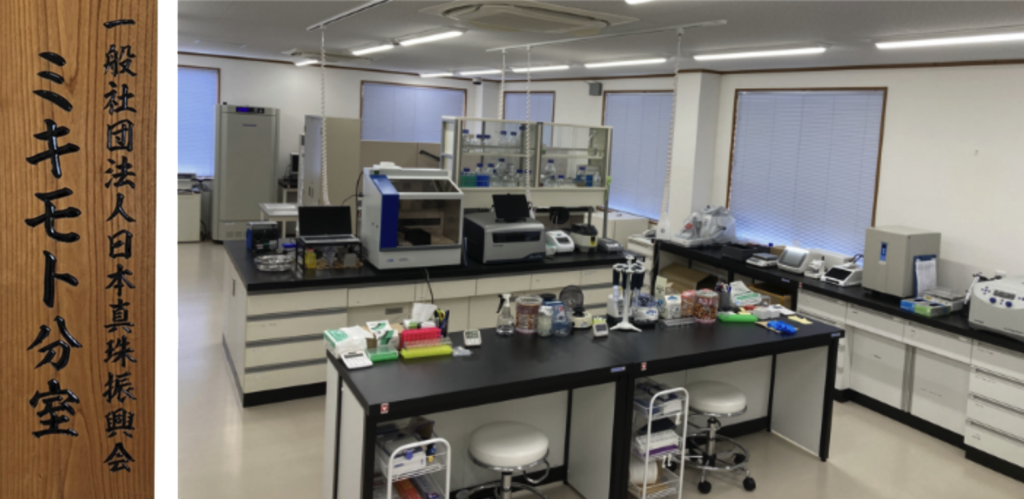
The Genome Research Laboratory Pearl Research Institute K. Mikimoto & Co., Ltd.
It is also important to protect Japan’s native species, which are the source of this genetic diversity. Efforts will therefore be made to conserve wild Akoya oyster populations and lineages, establish gene banks containing comprehensive genomic records of native Japanese species, and improve understanding of the characteristics of each population.
At the same time, measures must be taken to prevent the indiscriminate importation of Akoya oysters of foreign origin into Japan. The introduction of foreign oysters not only increases the risk of introducing new diseases, but also creates the risk of “genetic pollution”, whereby cross-breeding with native species could result in the loss of Japan’s unique and valuable genetic information.
To ensure sustainable pearl production in Ago Bay — the birthplace of the cultured pearl industry — it is essential to maintain rigorous management and conservation efforts for Akoya oysters.
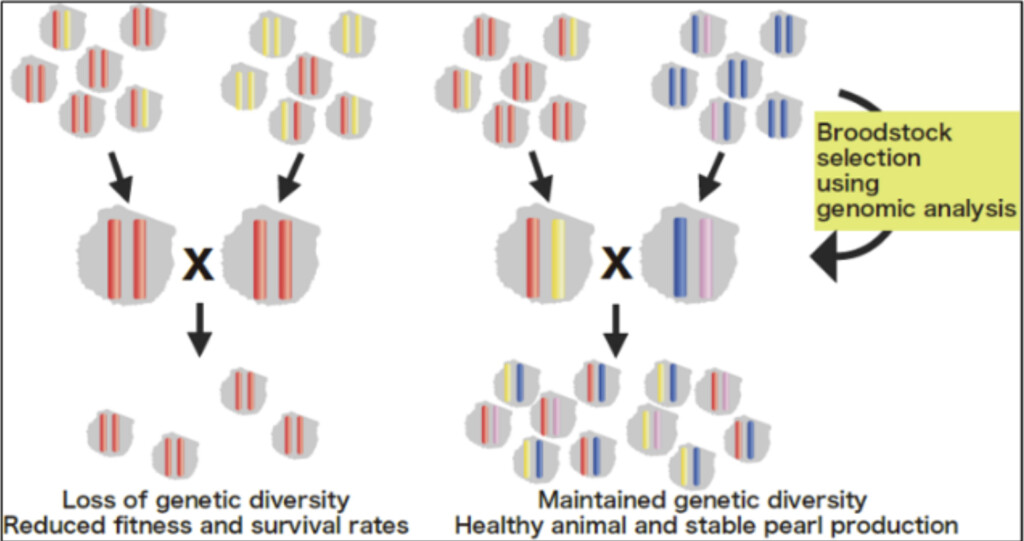
The importance of maintaining genetic diversity. ©Takeshi Takeuchi
Can cultured pearls become nature positive?
What it will take for the pearl industry to measure, manage and communicate its contribution to nature recovery?
By Pierre Fallourd
As businesses and consumers look beyond “less harm” towards measurable regeneration, one question is becoming increasingly relevant to the pearl industry: what does it take to become nature positive?
Nature Positive is a global societal goal defined as: “Halt and Reverse Nature Loss by 2030 on a 2020 baseline and achieve full recovery by 2050.” Put more simply, it means ensuring that there is more nature in the world in 2030 than there was in 2020, followed by continued recovery.
From ambition to global goal
The idea did not emerge in isolation. Since December 2019, a group of CEOs from environmental organisations, sustainable business platforms and research institutions has been convening to identify and advocate for an ambitious, science-based and measurable global goal for nature, and for this goal to be adopted internationally.
That ambition became more concrete in December 2022, when the UN Convention on Biological Diversity’s COP15 adopted the Kunming–Montreal Global Biodiversity Framework (GBF). Its mission is to “halt and reverse biodiversity loss by 2030” and ensure that, “by 2050, biodiversity is valued, conserved, restored and wisely used, maintaining ecosystem services, sustaining a healthy planet and delivering benefits essential for all people.” This is consistent with the Nature Positive goal.
Measuring what matters
For any industry, becoming nature positive depends on credible measurement. Three key categories of metrics have been developed to measure nature-positive contributions and outcomes: retaining and restoring:
- species
- ecosystems
- natural processes.
These metrics can be applied at global, national and landscape levels. Examples include species richness, distribution, abundance and extinction risk; habitat extent and ecological integrity; hydrological integrity; migration patterns; and carbon sequestration and storage.
Why pearls are part of the conversation
Pearls are relevant because they sit at the intersection of jewellery, aquaculture and marine ecosystems. Pearl oysters and other bivalve molluscs are filter feeders that can contribute positively to water quality by extracting excess nutrients, such as phosphorus and nitrogen, thereby helping to prevent eutrophication.
In addition, the submerged infrastructure used by marine pearl farms provides substrate, shelter and food for marine life. Longlines, baskets and nets act as suspended oyster reefs and provide similar services to natural ecosystems.
Two independently conducted life-cycle assessments (LCAs), carried out in Japan and Australia in 2023, estimated the climate-change impact of cultured pearls at between a few grams and a few kilograms of CO₂ equivalent per pearl. This may be among the lowest impacts of any gemstone.
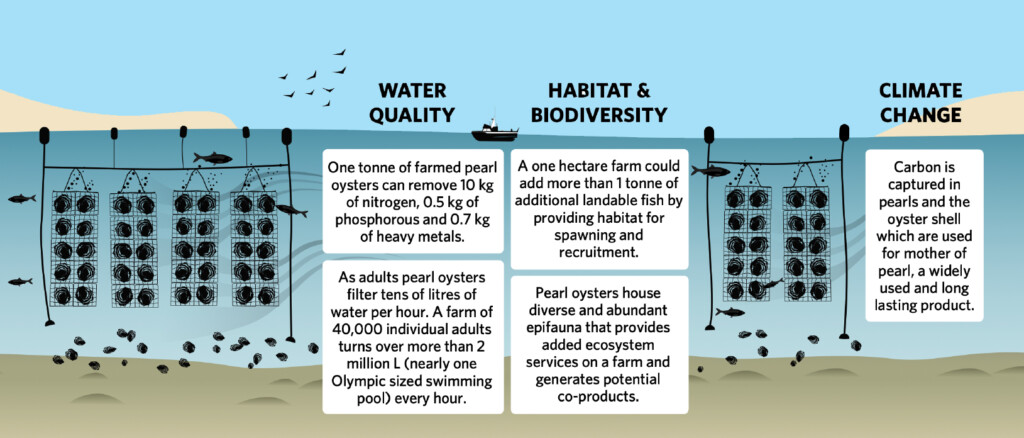
Potential environmental benefits of regenerative and restorative practices in marine pearl farming. Source: The Nature Conservancy, 2024.
The challenge of proving impact
The potential is clear, but proving it is not straightforward. Producing high-quality pearls is a long and complex process in which skill and science are continually challenged by nature. Leading producers have conducted, and continue to conduct, genetic, husbandry and seeding—or nucleation—research programmes to improve quality while operating in a dynamic environment. Water quality, temperature and nutrient availability all influence the survival and growth of pearl oysters.
Capturing biodiversity data consistently enough to establish a reliable standard is particularly challenging in the ocean. The Nature Conservancy teamed up with FishID, an artificial-intelligence-driven fish-tracking technology, Griffith University and Pearls of Australia to track marine macrofauna accurately within and around pearl farms in Australia.
Farming methods, oyster species, climate profiles, regulatory environments and access to dedicated funding vary considerably between producing countries.
The opportunity for a pearl-specific framework
This gap also creates an opportunity. Most existing environmental-impact measurement tools and frameworks, such as the Global Reporting Initiative (GRI) and the Marine Stewardship Council (MSC), focus on food and food systems. The Responsible Jewellery Council (RJC) and the Watch and Jewellery Initiative 2030 (WJI) provide comprehensive approaches and tools to support responsible supply-chain integrity, but there is currently nothing product- or gem-specific.
In early 2024, The Nature Conservancy provided a Measure, Evaluate and Learn (MEL) framework dedicated to regenerative aquaculture, with suggested metrics grouped under four pillars:
- climate change
- water quality
- habitat and biodiversity, and
- resources and livelihoods.
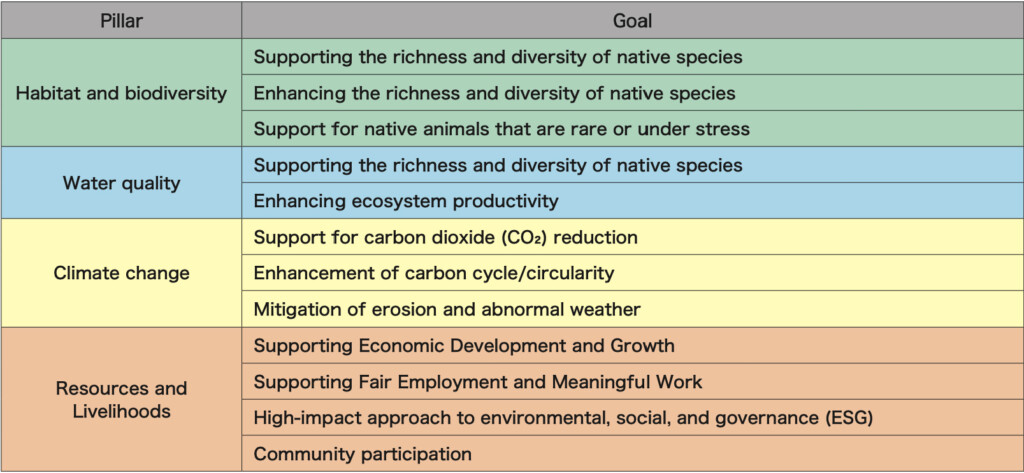
Both 2023 LCAs pointed to pearls’ relatively low climate impact and potential positive biodiversity impact. This paves the way for pearls to demonstrate their nature-positive potential as a category, while also differentiating their impact profiles by pearl type, country and even individual pearl farmer.
Japan takes the lead
The work has already begun. Because the journey of a pearl oyster is reflected in the gem it produces, leading producers have invested in both nature and communities since the early days of the cultured pearl industry more than 100 years ago.
Leading farmers, brands and retailers were approached to gauge the operational and commercial value of measuring social and environmental impacts.
Most confirmed their interest and validated the suitability of the regenerative aquaculture framework and the nature-positive potential of pearls. However, one participant emerged as a leader: Japan.
Following a three-month capability study, the Japanese government agreed to fund a social and environmental impact pilot study focusing on Japanese Akoya pearls. The 12–18-month project, proposed by the Japan Pearl Promotion Society (JPPS) and the Japan Pearl Export Association (JPEA), is supervised by the University of Tokyo in collaboration with the fisheries departments of Nagasaki, Mie and Ehime prefectures.
The pilot is also supported by The Nature Conservancy and The Sustainable Value Generator. Their involvement will help ensure that all activities are aligned with the principles of regenerative aquaculture and that potential outcomes remain consistent with the interests of stakeholders within and beyond the pearl value chain.
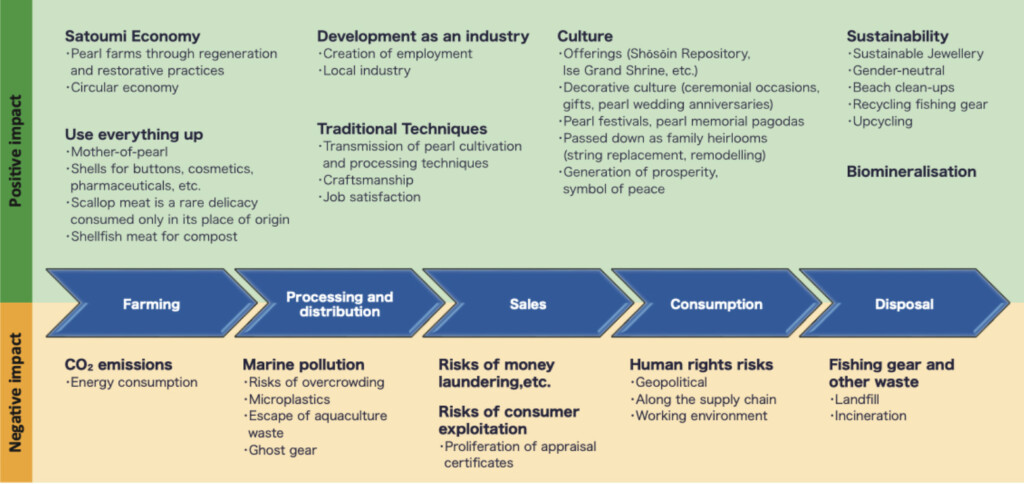
Source: Japan Pearl Standard 2025
Ecosystems and circularity are pivotal to the Japanese philosophy of pearl farming.
“Satoumi is a Japanese term meaning a seascape where human–ecosystem interaction has resulted in increased biodiversity and productivity,” says George Kakuda, President of the JPEA. “It was only logical for our industry to ensure that it can deliver positive economic, social and environmental outcomes consistently. We believe that the value of nature-positive pearls can be shared throughout the pearl supply chain,” he adds.
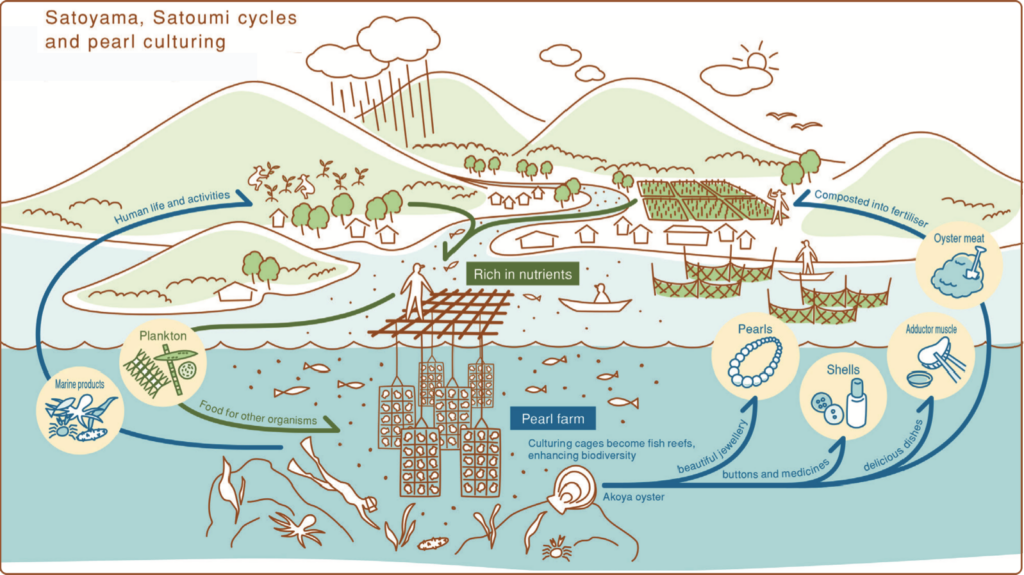
Satoyama and Satoumi cycles. Source:Japan Pearl Standard 2025.
Advances in sustainability and wild pearl oyster conservation
DANAT, the Bahrain Institute for Pearls and Gemstones, further advanced its sustainability agenda through the publication of its inaugural Sustainability Report, its first standalone greenhouse gas (GHG) report, the successful completion of the second survey cycle of the Assessment of Bahrain’s Wild Pearl Oyster Habitats project, and the international presentation of Bahrain’s Natural Pearl Model during a side event at the United Nations High-Level Political Forum on Sustainable Development (HLPF) 2026.
The Sustainability Report establishes DANAT’s environmental, social and governance (ESG) framework, highlighting key achievements in environmental stewardship, social responsibility, institutional governance, scientific research, marine biodiversity, responsible jewellery and stakeholder engagement. Complementing this milestone, DANAT’s first annual GHG Report documented a 21.7% reduction in greenhouse gas emissions compared with its 2022 baseline. This reinforces the institute’s commitment to climate action, transparent sustainability reporting and continuous environmental improvement.
The year’s achievements were also presented internationally during an HLPF 2026 side event, highlighting Bahrain’s Natural Pearl Model. Developed in collaboration with CIBJO and international research partners, the model represents an integrated approach encompassing scientific research, conservation, responsible jewellery and sustainable value chains.
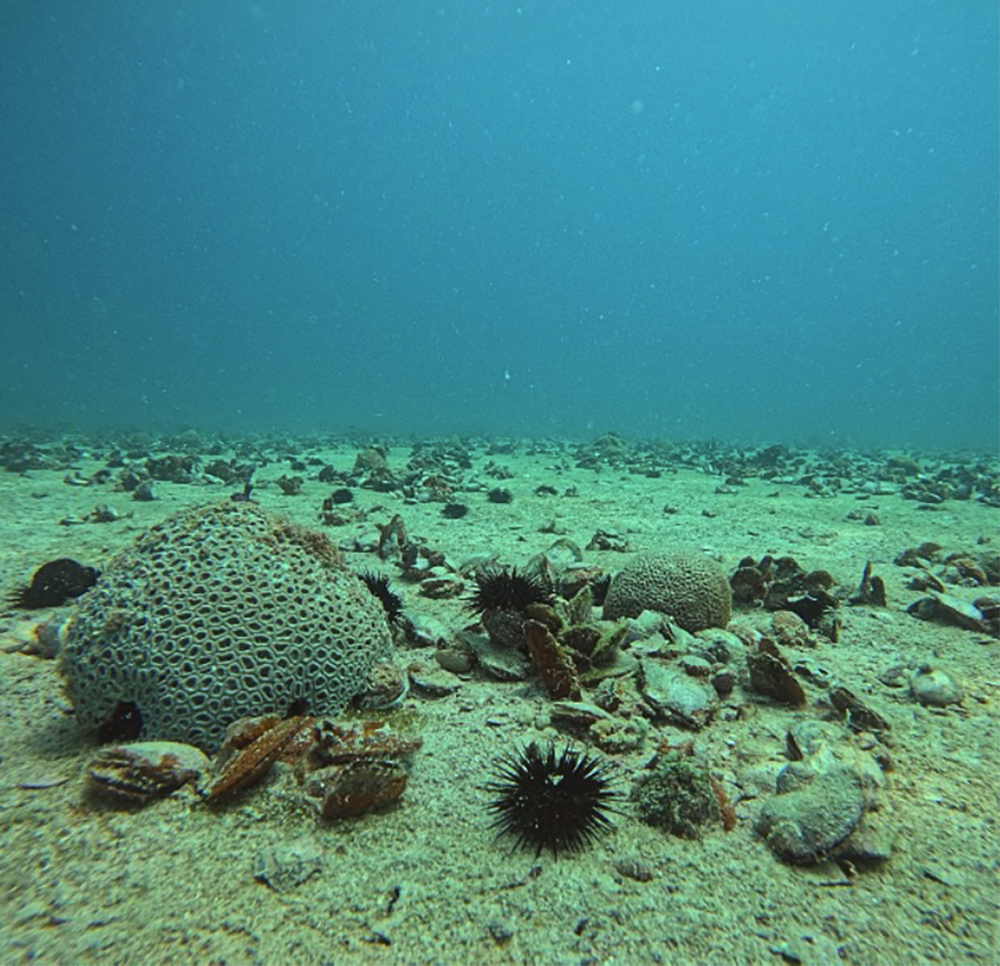
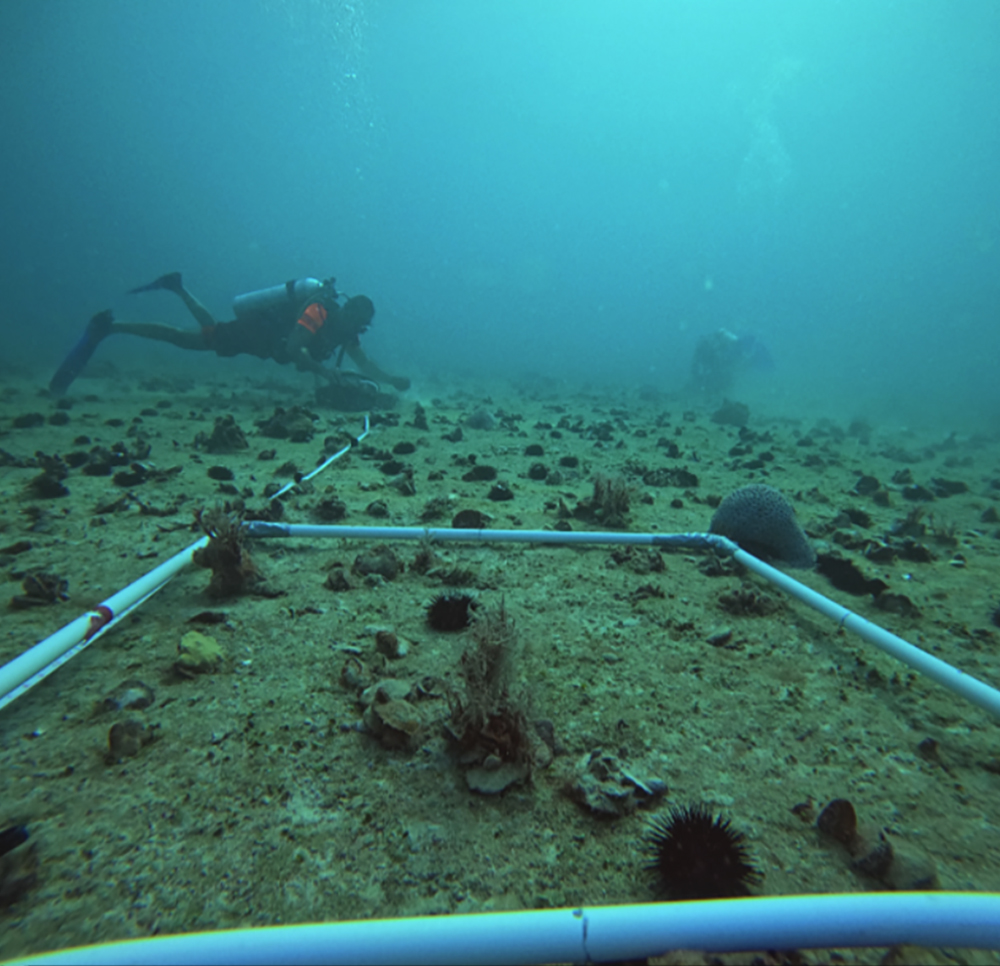
The assessment of Bahrain’s Wild Pearl Oyster Habitats project provided an updated scientific assessment of the country’s natural pearl oyster habitats through comprehensive field surveys, habitat assessments, and laboratory analyses.
The second survey cycle of the Assessment of Bahrain’s Wild Pearl Oyster Habitats project provided an updated scientific assessment of Bahrain’s natural pearl oyster habitats through comprehensive field surveys, habitat assessments and laboratory analyses. The findings confirmed that most surveyed habitats continue to maintain levels of pearl oyster abundance and density comparable to those recorded in previous assessments.
Evidence of continued natural recruitment, together with generally suitable water and sediment conditions, indicates that Bahrain’s wild pearl oyster populations remain resilient and capable of renewing themselves naturally. These findings support the sustainable management of the resource and the long-term continuity of Bahrain’s traditional pearling industry.
Building on these results, DANAT has begun preparations for the third long-term monitoring cycle, reaffirming its commitment to the continuous scientific assessment and conservation of Bahrain’s wild pearl oyster habitats. The programme will continue to generate long-term scientific data to strengthen habitat conservation, sustainable resource management and climate-resilience research, while supporting the future of Bahrain’s natural pearl heritage and responsible jewellery sector.
PEARL LABORATORY UPDATES
DANAT the Bahrain Institute for Pearls and Gemstones
Non-nacreous bead-cultured pearls from Pinctada margaritifera
Three non-nacreous black pearls were recently submitted to the DANAT laboratory for identification in two separate batches. The first batch contained a near-oval specimen weighing 23.30 carats and a button-shaped specimen weighing 23.60-carats. The second batch contained a third, button-shaped pearl weighing 12.82 carats. The figure below shows the top and side views of the 12.82-carat pearl.
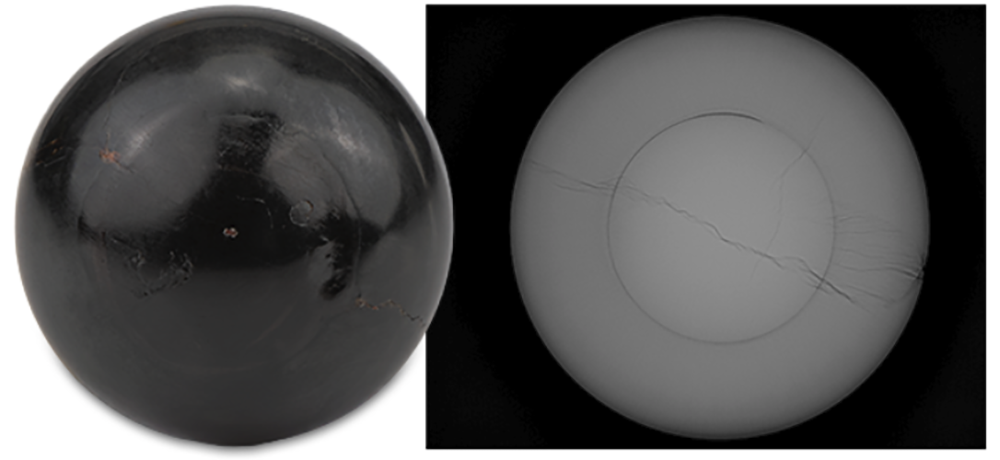
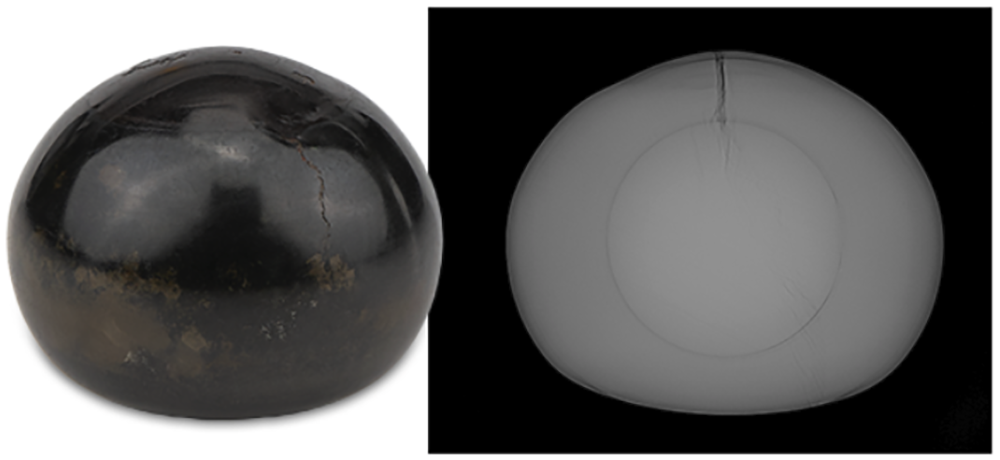
Views of the top (on the left) and the side (on the right) of the button-shaped 12.28-carat pearl shown with corresponding X-microradiographs, revealing its bead centre surrounded by radially oriented prismatic calcium carbonate. Photos by Hasan Abdulla, ©DANAT
The pearls were examined using a gemmological microscope at magnifications of 10X–70X, with fibre-optic illumination. They displayed cellular and mosaic structures (Figure 2), similar to the surface features previously reported in non-nacreous pen pearls (Sturman et al. 2014).
Examination of their internal structures using X-ray microradiography revealed a central round bead surrounded by columnar calcite, indicating that the samples were bead-cultured pearls. The type of bead could not be determined because of the pearls’ dark colour. None of the samples fluoresced under X-rays, indicating a saltwater origin.
Energy-dispersive X-ray fluorescence (EDXRF) chemical analysis showed a low concentration of manganese and a high concentration of strontium, also consistent with a saltwater environment. In addition, a relatively high concentration of magnesium was detected, which is associated with the formation of non-nacreous pearls (Sturman et al. 2014).
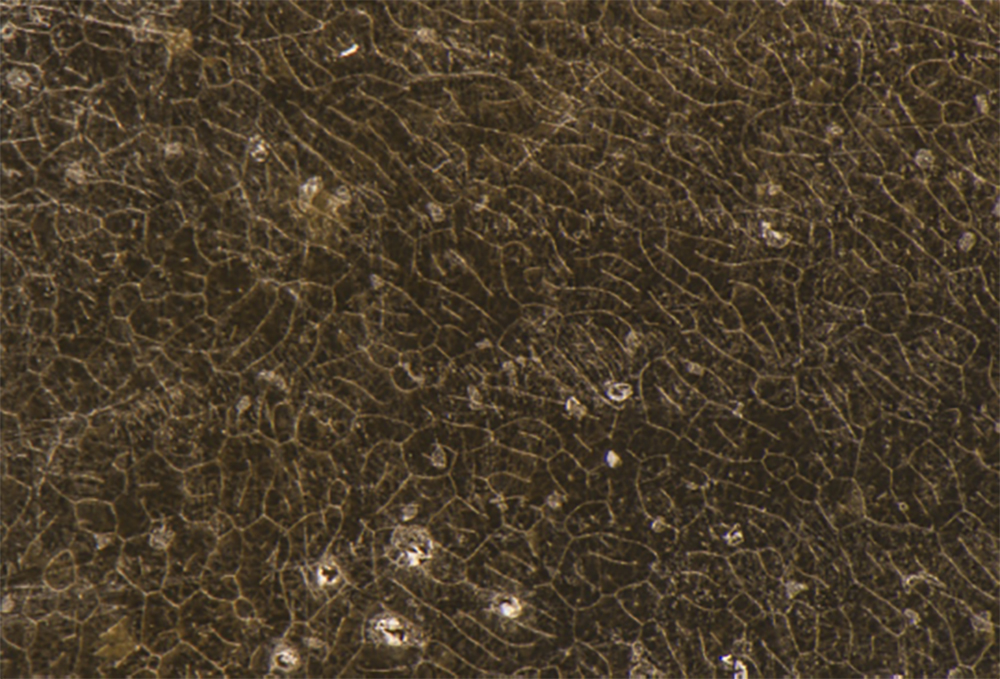
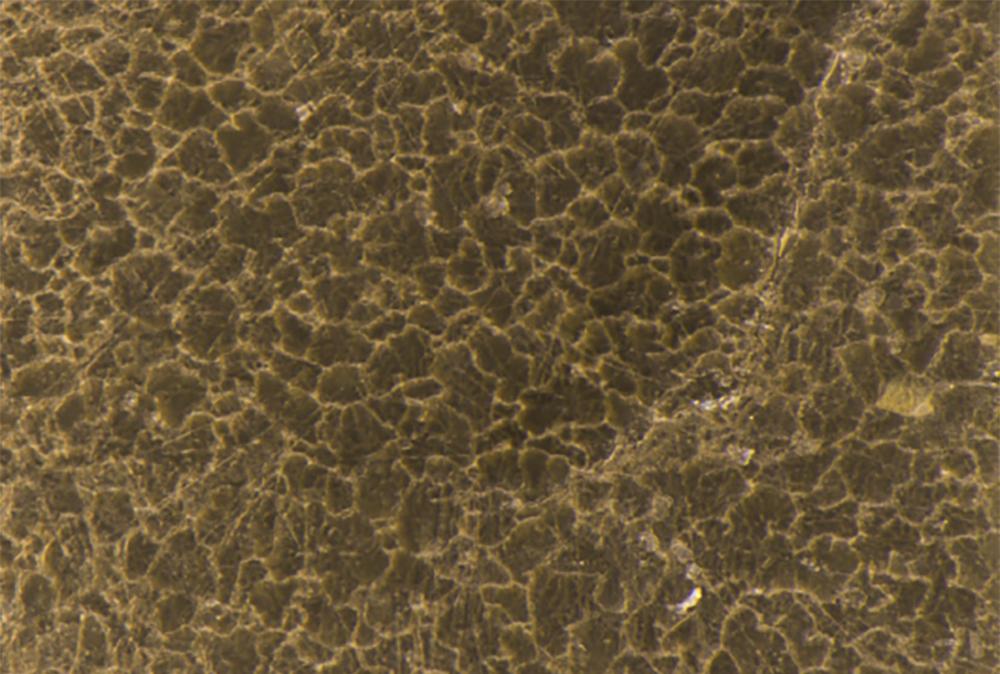
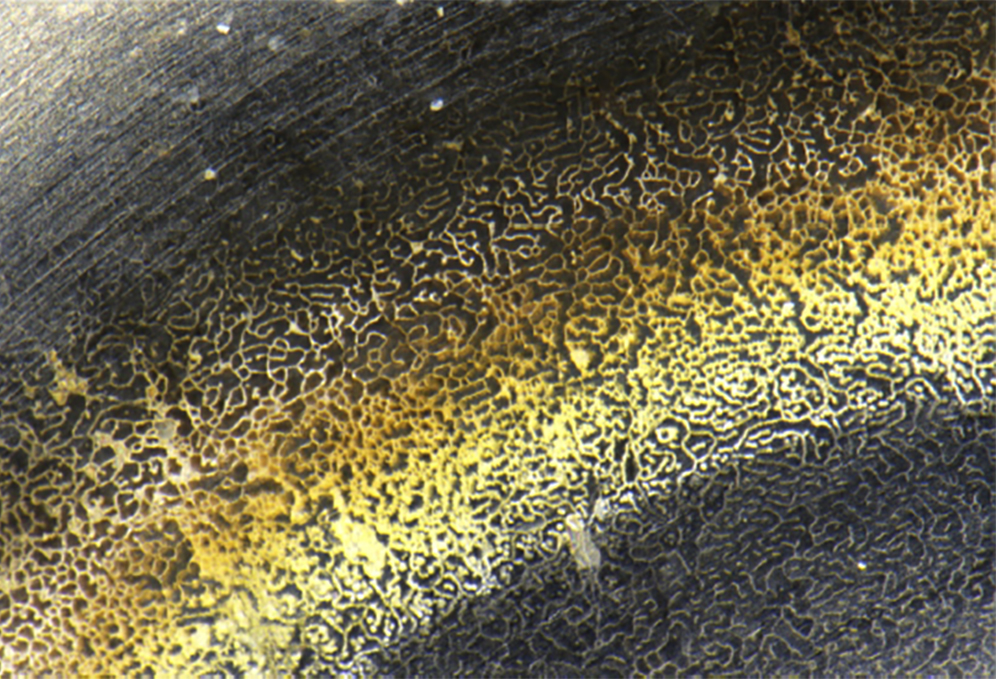
Images of the surfaces of the 23.30-carat pearl (left), the 23.60-carat pearl (centre) and the 12.82-carat pearl (right) show cellular and mosaic structures similar to those typically associated with non-nacreous pen pearls. Photomicrographs by Hasan Abdulla, ©DANAT
Raman spectroscopy, using a 457 nm diode laser, was employed to examine the calcium carbonate polymorphs and any associated pigments. The Raman analyses detected only calcite, with no aragonite present. This is consistent with the pearls’ non-nacreous appearance and their X-ray microradiographic features.
The calcite-related Raman spectral features included lattice modes at 152 and 280 cm⁻¹, an in-plane bending mode (ν₄) at 714 cm⁻¹ and a symmetric stretching mode (ν₁) at 1,085 cm⁻¹ (Karampelas et al. 2019). In addition, the broad features centred at 1,260, 1,324 and 1,576 cm⁻¹ are associated with conchiolin and porphyrin pigments (Karampelas et al. 2019; Zhang et al. 2001), although the band at 1,576 cm⁻¹ was shifted slightly from its more typical position at 1,565 cm⁻¹.
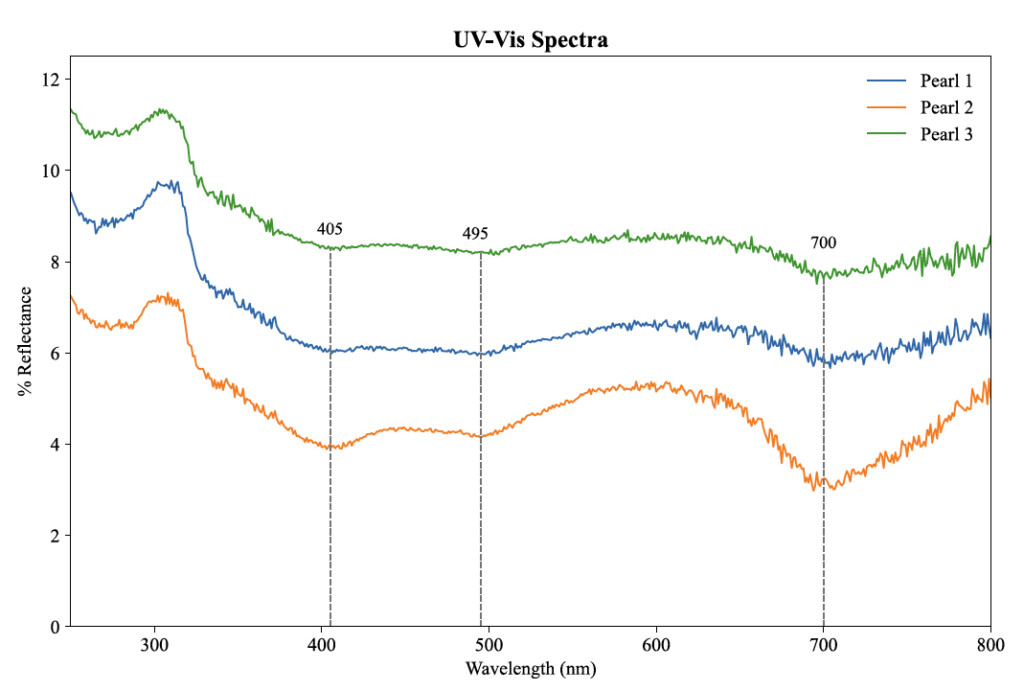
UV–visible reflectance spectra of all three samples were acquired using an Agilent Cary 60 spectrometer. The spectra were consistent with those of pearls from Pinctada margaritifera, including the key identification peak at 700 nm and two additional absorption bands at 405 and 495 nm (Elen 2002).
Under short-wave ultraviolet radiation, all three pearls displayed weak, banded yellowish fluorescence, consistent with the reaction previously described for non-nacreous bead-cultured pearls from P. margaritifera (Zandi et al. 2022). All three samples were inert under long-wave ultraviolet radiation.
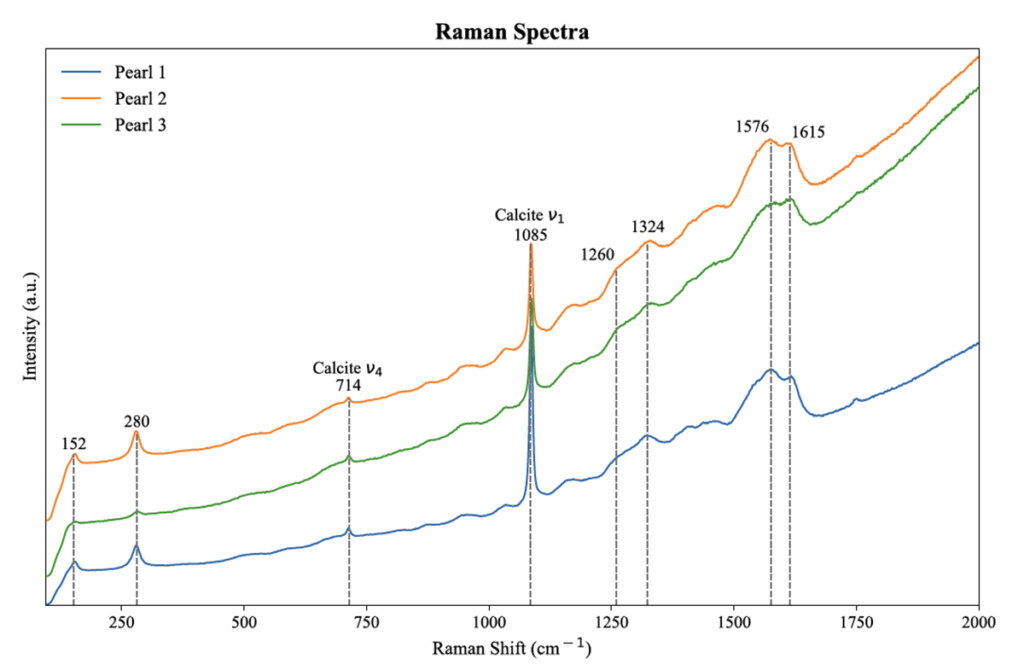
The Raman spectra of all three cultured pearls show calcite-related features at 152, 280, 714, 1085 and 1437 cm–1, as well as broad bands centred at 1260, 1324 and 1576 cm–1 related to conchiolin and porphyrin pigments. Thus, the samples are calcitic without aragonite. The spectra are vertically shifted for clarity.
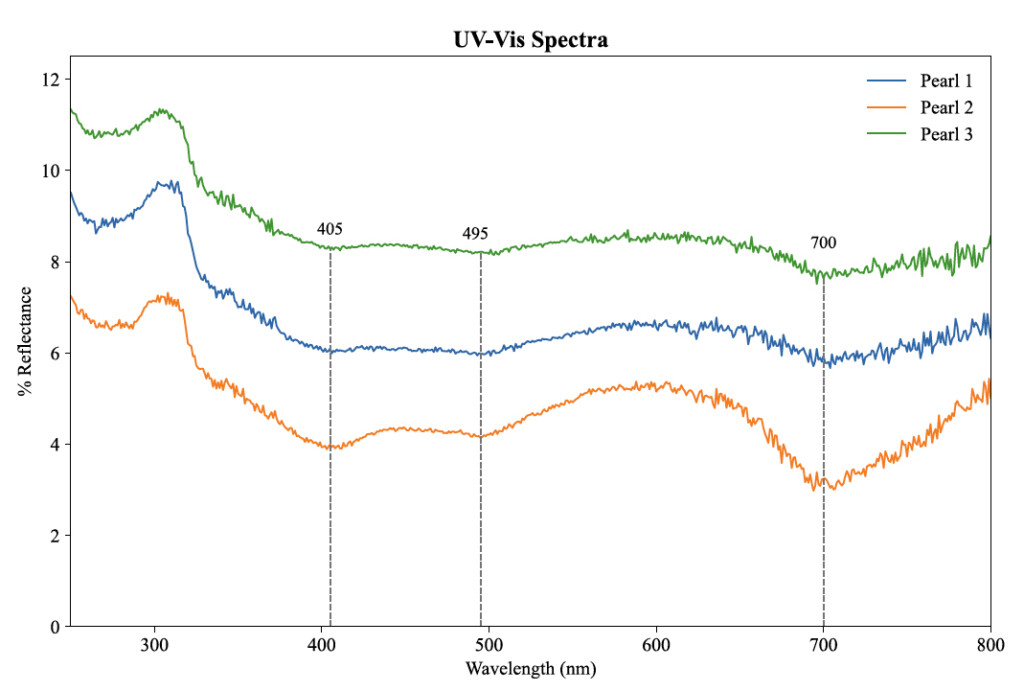
UV-Visible spectra recorded for the three samples show absorption bands at 405, 495 and 700 nm. The 700 nm band is characteristic of P. margaritifera pearls.
The three pearls described here exhibited properties similar to those reported for non-nacreous bead-cultured pearls from Pinna species (Segura and Fritsch 2014) and P. margaritifera (Zandi et al. 2022). Combining the observed surface features with the Raman and UV–visible spectroscopic results led to the conclusion that all three non-nacreous samples were bead-cultured pearls from P. margaritifera.
Their appearance resembled that of the pearls described by Zandi et al. (2022), although one of the samples in that study also contained a small circled area of nacre. Possible origins in Pteria and Pinna species were excluded because the samples lacked the strong red fluorescence under long-wave ultraviolet radiation typically associated with pearls from Pteria species (Chan and Zhou 2014), and because bead-cultured pearls from Pinna species are generally smaller (Segura and Fritsch 2014).
The two separate submissions of these large, non-nacreous, bead-cultured pearls from P. margaritifera suggest that such pearls may be becoming more common in the market.
REFERENCES
- Chan, S. and Zhou, Y.-J. (2014), ‘Natural pearl aggregates from Pteria molluscs’, Gems & Gemology, 50(3), pp. 295–296.
- Elen, S. (2002), ‘Identification of yellow cultured pearls from the black-lipped oyster Pinctada margaritifera’, Gems & Gemology, 38(1), pp. 66–72.
- Karampelas, S., Fritsch, E., Makhlooq, F., Mahamed, F. and Al-Alawi, A. (2019), ‘Raman spectroscopy of natural and cultured pearls and pearl-producing mollusc shells’, Journal of Raman Spectroscopy, 50(9).
- Segura, O. and Fritsch, E. (2014), ‘The first identified non-nacreous beaded cultured pearl’, Gems & Gemology, 50(4), pp. 305–306.
- Sturman, N., Homkrajae, A., Manustrong, A. and Somsa-ard, N. (2014), ‘Observations on pearls reportedly from the Pinnidae family (pen pearls)’, Gems & Gemology, 50(3), pp. 202–215.
- Zandi, F., Homkrajae, A. and Shaw, S. (2022), ‘Two black non-nacreous bead-cultured pearls from Pinctada margaritifera’, Gems & Gemology, 58(4), pp. 478–480.
The Gemological Institute of America (GIA)
Diverse range of organic-rich cores
in South Sea non-bead cultured “keshi” pearls
A featured article detailing the variety of organic-rich core structures found in South Sea non-bead cultured pearls has recently been published in Gems & Gemology by a group of GIA researchers. The study analysed and categorised the internal structures of these pearls using several techniques, including real-time X-ray microradiography, computed microtomography and energy-dispersive X-ray fluorescence (EDXRF) chemical analysis. In addition, five of the 43 pearls were partially sanded through their cores to enable cross-sectional analysis, including visual examination and Raman spectroscopy.
South Sea cultured pearls, as they are commonly known in the trade, are produced by the mollusc Pinctada maxima. These molluscs are renowned for producing some of the largest and most valuable cultured pearls. Commercial cultivation takes place in the warm, nutrient-rich waters off the coasts of Australia, Myanmar, the Philippines and Indonesia, as well as in the South China Sea. Over the years, significant advances have been made in the methods and technology used to produce high-quality cultured pearls. Today, pearl farms can produce large, high-quality non-bead cultured (NBC) pearls.
All the selected pearls revealed cores containing different forms of organic-rich concentric structures. Both natural and cultured pearls from Pinctada maxima often have cores with distinct organic-rich concentric structures. It is therefore important to study the differences between the cores of natural and cultured pearls.
The article provides a detailed analysis of four types of internal structure observed in the studied pearls:
- cores with a light-grey nucleus;
- cores with seed-like features;
- off-round cores; and
- multiple cores.
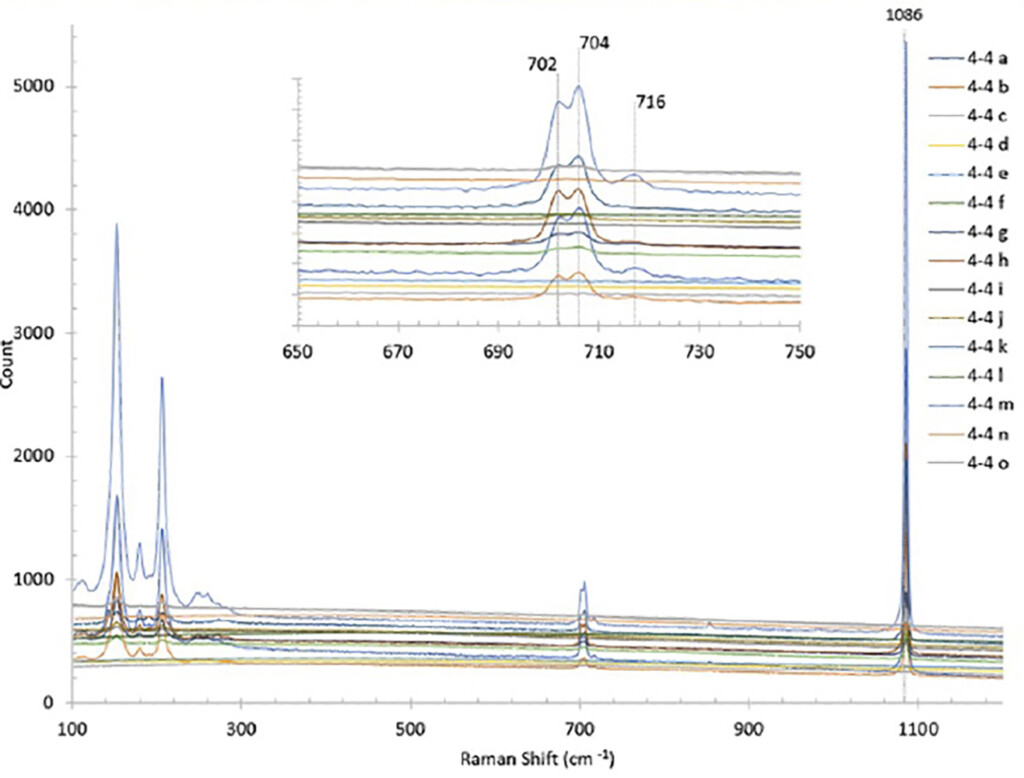
Examples of the fourth type, involving multiple cores, are shown in Table 4 of the article (see illustration below, left). Pearl D-4, listed in the table, was also sectioned for Raman analysis at several points within its multiple cores. The results revealed predominantly aragonite in the centre of the pearl, with a partial calcite phase detected at some locations.
For further results and analyses of the internal core structures of these South Sea ‘keshi’ cultured pearls, please refer to the full article in Gems & Gemology, Vol. 62, No. 1, pp. 26–37: https://doi.org/10.5741/GEMS.62.1.26
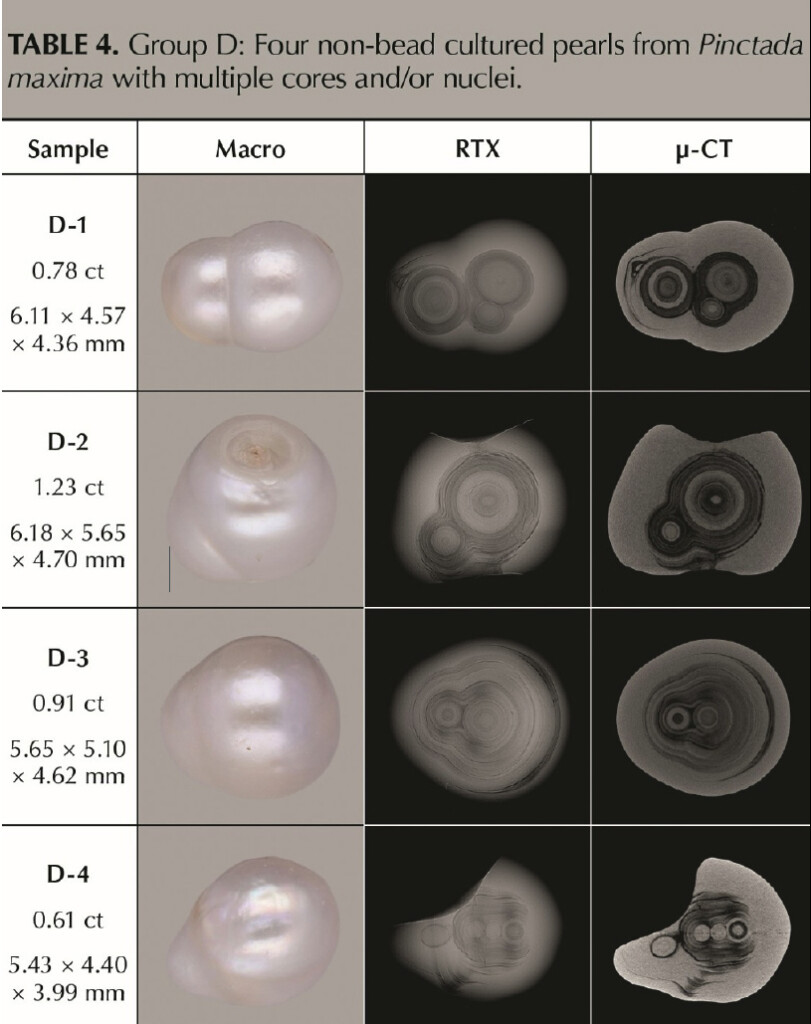
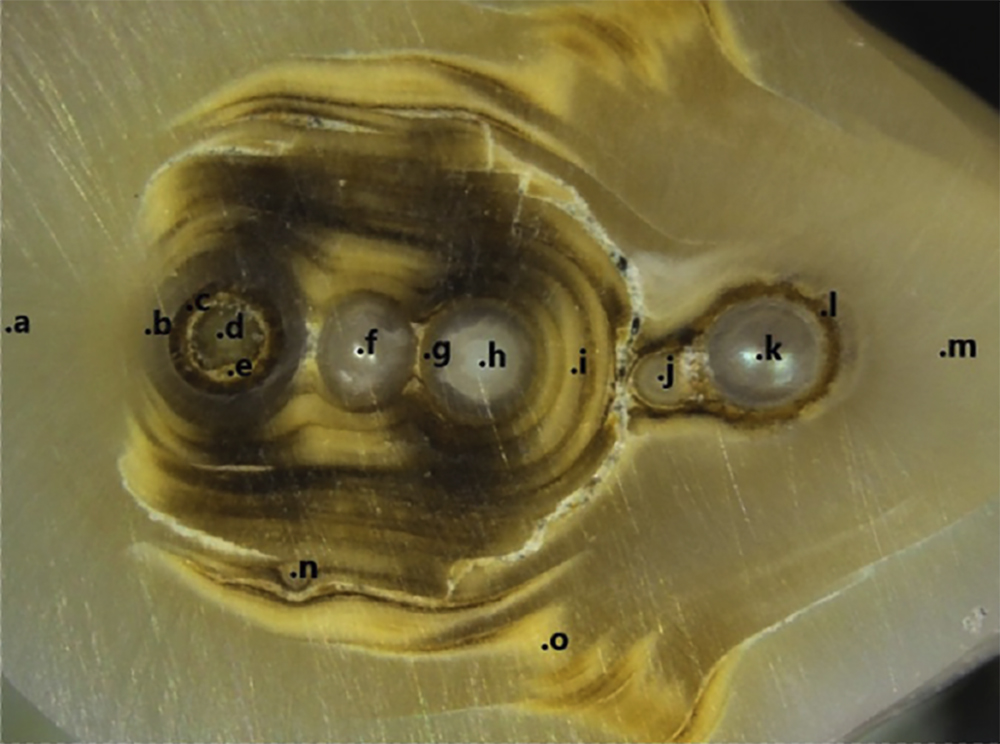
Left: Four non-bead cultured pearls from Pinctada maxima with multiple cores. Upper right: Cross section of pearl D-4 with spots marked for Raman spectroscopy. Photo by Nishka Vaz; field of view 4.5 mm. Lower right: Raman spectra collected with an 830 nm laser from pearl D-4 on indicated spots, showing peaks of varying intensity at 1086 cm–1, 701/704 cm–1, and 100–280 cm–1, indicating the presence of aragonite. Spots a, b, g, h, and m showed an additional weak peak at 716 cm–1, indicating a calcite phase in addition to aragonite.
Top: Four non-bead cultured pearls from Pinctada maxima with multiple cores. Centre: Cross section of pearl D-4 with spots marked for Raman spectroscopy. Photo by Nishka Vaz; field of view 4.5 mm. Bottom: Raman spectra collected with an 830 nm laser from pearl D-4 on indicated spots, showing peaks of varying intensity at 1086 cm–1, 701/704 cm–1, and 100–280 cm–1, indicating the presence of aragonite. Spots a, b, g, h, and m showed an additional weak peak at 716 cm–1, indicating a calcite phase in addition to aragonite.
Vaterite sound in saltwater natural pearls from Pinctada Sp. molluscs
GIA scientists have recently reported the detection of vaterite in saltwater natural pearls reportedly sourced from the mollusc Pinctada radiata, collected at depths of 6–10 metres off the coast of Heir Al-Anan, Kuwait (Sci. Nat. 112, 84 (2025); https://doi.org/10.1007/s00114-025-02038-3). This rare polymorph of calcium carbonate was identified on both the surfaces and cross-sectional areas of the pearls. Raman spectroscopy and X-ray diffraction (XRD) were used to characterise the structures, confirming the presence of vaterite.
Pearls are produced by a variety of mollusc species through biomineralisation. Unlike shell formation, which is a routine biological function, pearl formation results from a defence mechanism triggered by injury or irritation to the mantle tissue. It involves a complex combination of biochemical and physiological processes.
Most saltwater pearls formed by various Pinctada species, commonly known as pearl oysters, have a nacreous surface. Aragonite is the principal mineral component of both nacreous and prismatic layers, although calcite has also been observed in both the external and internal regions of pearls. Vaterite, the least thermodynamically stable form of calcium carbonate, had previously been found only in lacklustre areas on the surfaces of freshwater cultured pearls or near the centres of freshwater tissue-nucleated pearls, regardless of their surface lustre.
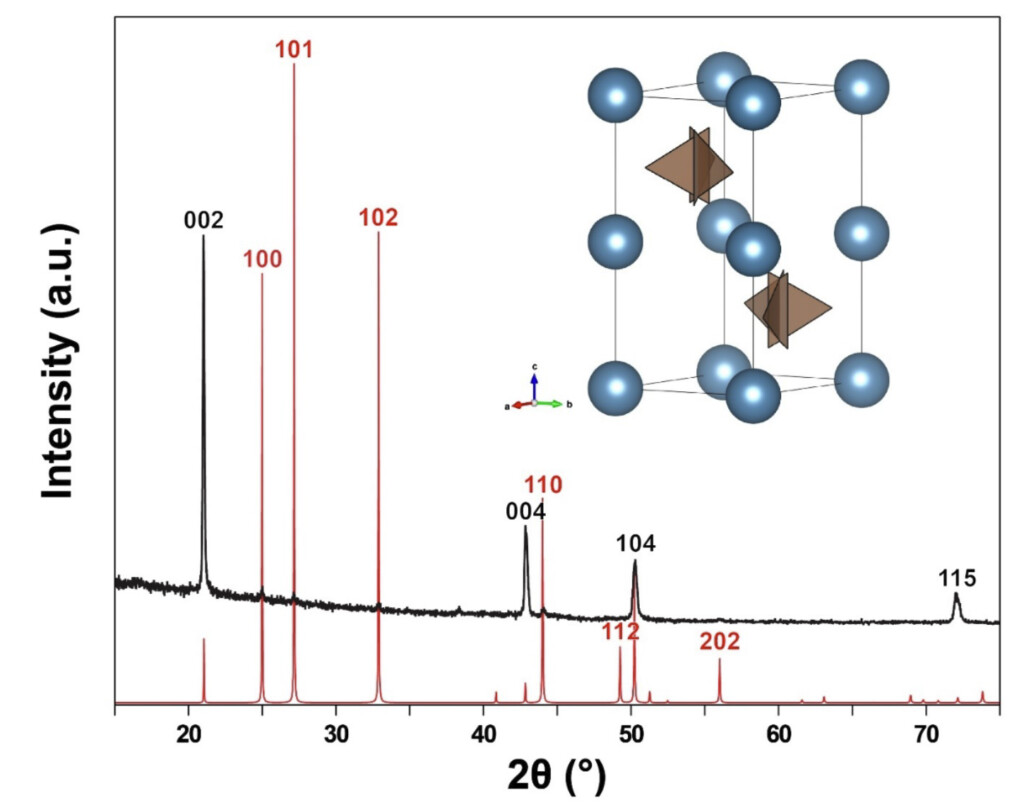
The X-ray diffraction pattern collected directly from the surface of the pearl sample confirmed the presence of vaterite.
The XRD pattern showed four strong peaks and several very weak ones. The positions of the peaks matched the expected positions for vaterite, with no indication of any other phase. However, the peak intensities did not correspond to the expected values for vaterite. This is to be expected because the vaterite crystals in the pearl were not randomly oriented, as assumed for the calculated diffraction pattern based on the crystal structure.
The strongest peaks expected for vaterite—101, 102, 100 and 110—were barely visible in the collected data. In contrast, the 002, 004, 104 and 115 peaks, all associated with lattice planes parallel or subparallel to (001), were disproportionately strong. This indicates that the vaterite crystals were oriented with their c-axes perpendicular to the surface, as observed for calcite and aragonite in pearls.
Raman spectroscopy was performed on multiple areas of the sample, including the surface, cross-section and central core. The surface and outer region of the cross-section displayed Raman shifts typical of vaterite. These included peaks at 740 and 750 cm⁻¹, assigned to the in-plane bending mode (ν₄) of the internal vibration of CO₃²⁻, and two major peaks at 1,075 and 1,090 cm⁻¹, corresponding to the symmetric stretching mode (ν₁) of CO₃²⁻. A series of lattice-mode peaks was also observed in the low-frequency region, with a dominant peak at 302 cm⁻¹.
By contrast, the central core exhibited Raman peaks at 712 and 1,087 cm⁻¹, together with a dominant lattice-mode peak at 281 cm⁻¹—features typical of calcite. Figure 13 shows examples of the Raman spectra obtained from the surface and central core. The surface of the pearl appeared whiter, with a frosty and chalky appearance, whereas the central core resembled an aggregation of columnar structures, as shown in the inset images in Figure 13.
To the best of our knowledge, this is the first reported detection of vaterite within a natural pearl of saltwater origin. The finding provides a rare opportunity and valuable insight into natural biomineralisation processes and pearl formation.
Raman spectra collected on the surface and center region of the cross-section (a and b shown in the inserted images) were concluded to be vaterite (blue) and calcite (red).