
SPECIAL REPORT
MARKETING AND EDUCATION
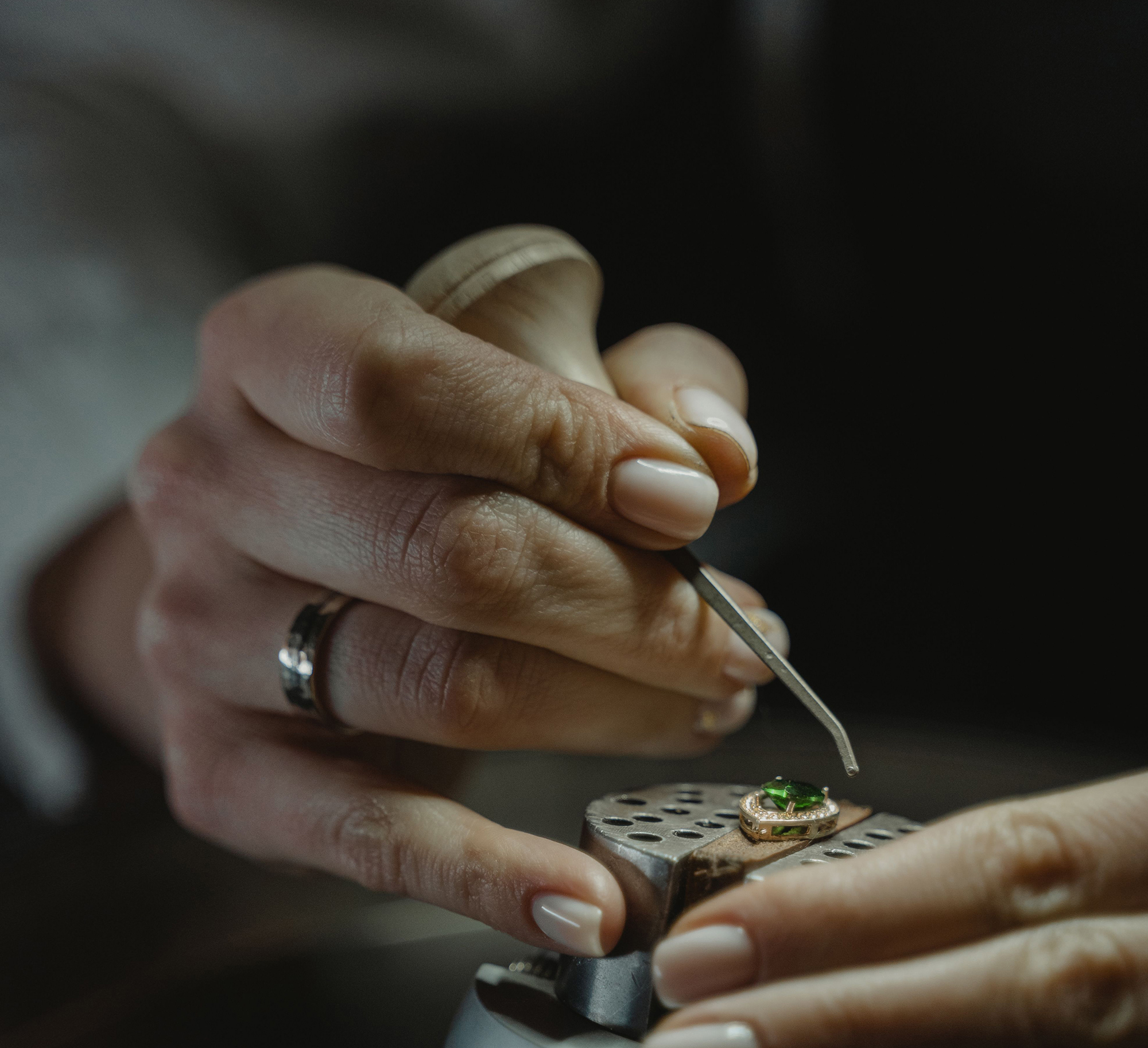
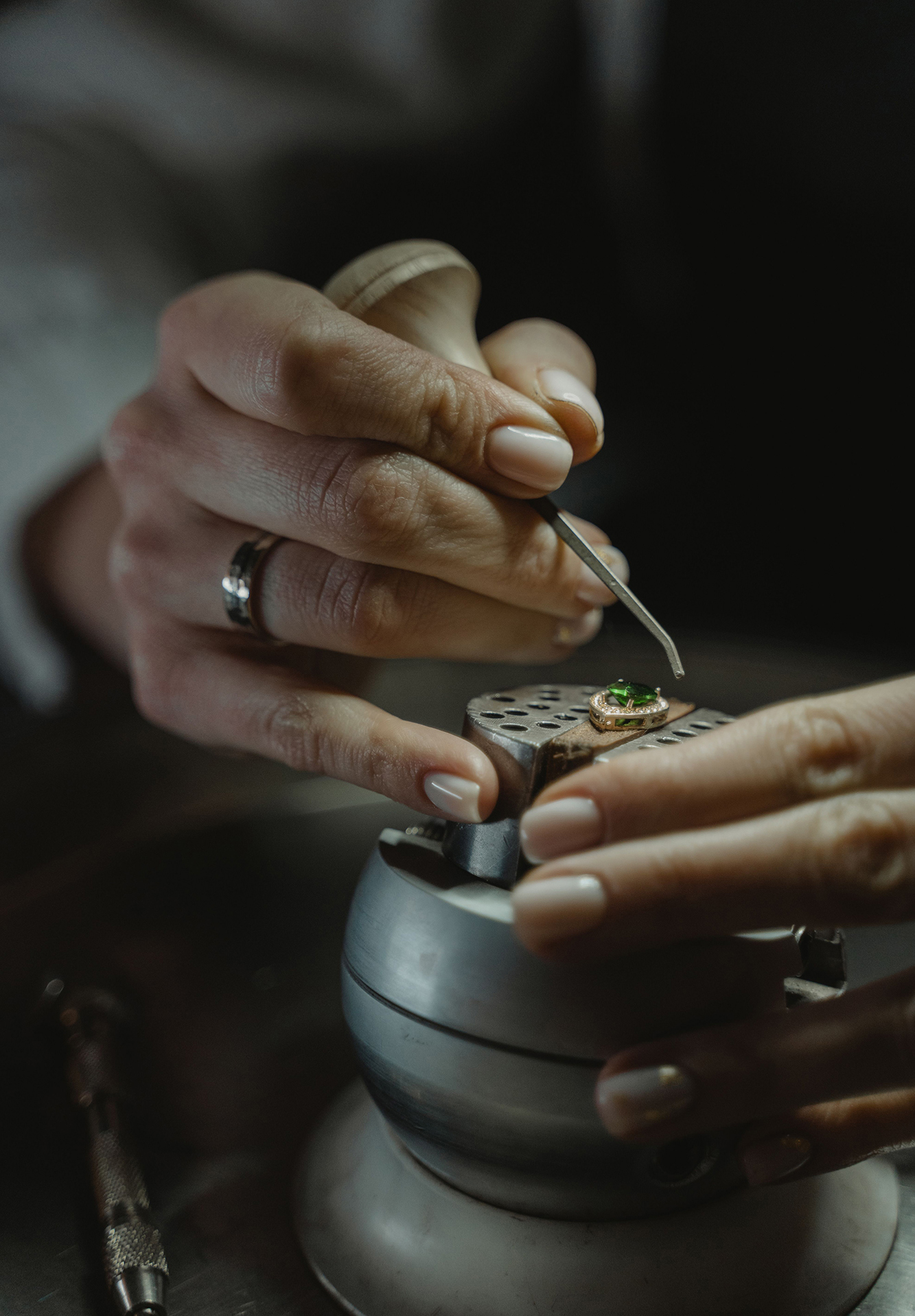
Photo credit: Tima Miroshnichenko on Pexels.com.
Education – Education – Education

By Jonathan Kendall
President
CIBJO Marketing and Education Commission
For 100 years, CIBJO has continuously supported and educated the jewellery industry. This year, the Marketing and Education Commission celebrates the century with the launch of the International Fine Jewellery Academy (IFJA) and, separately, all the work that has been carried out in the past 12 months in developing new guides designed to educate both the industry and our consumers regarding the nomenclature and categorisations of opal and jade.
THE INTERNATIONAL FINE JEWELLERY ACADEMY
Background and Context
The International Fine Jewellery Academy (IFJA) represents one of the most significant educational initiatives promoted by CIBJO in recent years. It comes in response to the growing need within the international jewellery industry to cultivate a new generation of highly qualified professionals.
In a context characterised by rapid technological advancement, increasing attention to sustainability, and the need to preserve increasingly rare artisanal skills, IFJA has been established with the objective of ensuring the transmission of the technical, creative, and manufacturing knowledge that forms the foundation of excellence in both Italian and international jewellery.
The initiative stems from the collaboration between CIBJO, Fondazione Mani Intelligenti of Valenza, Confcommercio Milano, and CAPAC – Politecnico del Commercio e del Turismo, bringing together complementary expertise in jewellery, education, business representation, and the promotion of manufacturing heritage. Sharing a common vision centred on excellence, innovation, and sustainability, the partners have created a project designed to educate future generations of jewellery professionals .
IFJA has been conceived not merely as a new jewellery school, but as an international centre of excellence intended to become a leading benchmark for the education of future industry professionals, fostering dialogue between artisanal tradition, technological innovation, sustainability, and social responsibility.


The northern Italian city of Milan, as seen from the majestic Duomo di Milano. The city is the site of the new International Fine Jewellery Academy (Photo credit: Mikita Yo on Unsplash.com).
Why Milan?
The decision to locate IFJA in Milan is primarily driven by considerations of accessibility and international outreach. Thanks to one of Europe’s most advanced networks of air, rail, and transport connections, the city represents an ideal gateway for students from around the world and a natural location for an institution with a global vocation.
Milan’s strategic position also enables direct connections with Italy’s leading jewellery manufacturing districts, facilitating interaction with companies, workshops, designers and industry professionals. Students will therefore benefit both from the city’s international dimension and from close contact with the regions that safeguard Italy’s exceptional manufacturing and artisanal heritage.
IFJA aims to build a bridge between education and industry, contributing over time to the availability of a new generation of highly skilled professionals for jewellery companies. In this perspective, relationships with the country’s principal jewellery districts, including Valenza, will represent a fundamental component of the project.
Educational activities will be hosted within CAPAC’s facilities, which will provide classrooms, laboratories, and training spaces dedicated to the Academy’s programmes.
Vision and objectives
The International Fine Jewellery Academy aims to become an international centre of excellence for jewellery education, capable of attracting students from across the globe and contributing to the sustainable development of the entire industry value chain.
Its objective is to educate well-rounded professionals able to operate competently across all stages of the fine jewellery value chain, from creative design and production to commercialisation and positioning in international markets.
The educational programmes will combine:
- Theoretical instruction delivered in English
- Practical training in specialised laboratories
- Interdisciplinary project-based learning
- Direct experiences within partner companies and alongside master artisans
- In-depth study of international industry standards
- Integration of CIBJO principles relating to sustainability, ESG, responsible sourcing, transparency, and supply chain traceability.
The ambition is to create an educational ecosystem that combines the best of Italy’s manufacturing tradition with a future-oriented international vision, helping to address the growing demand for specialised skills within the jewellery and luxury industries.
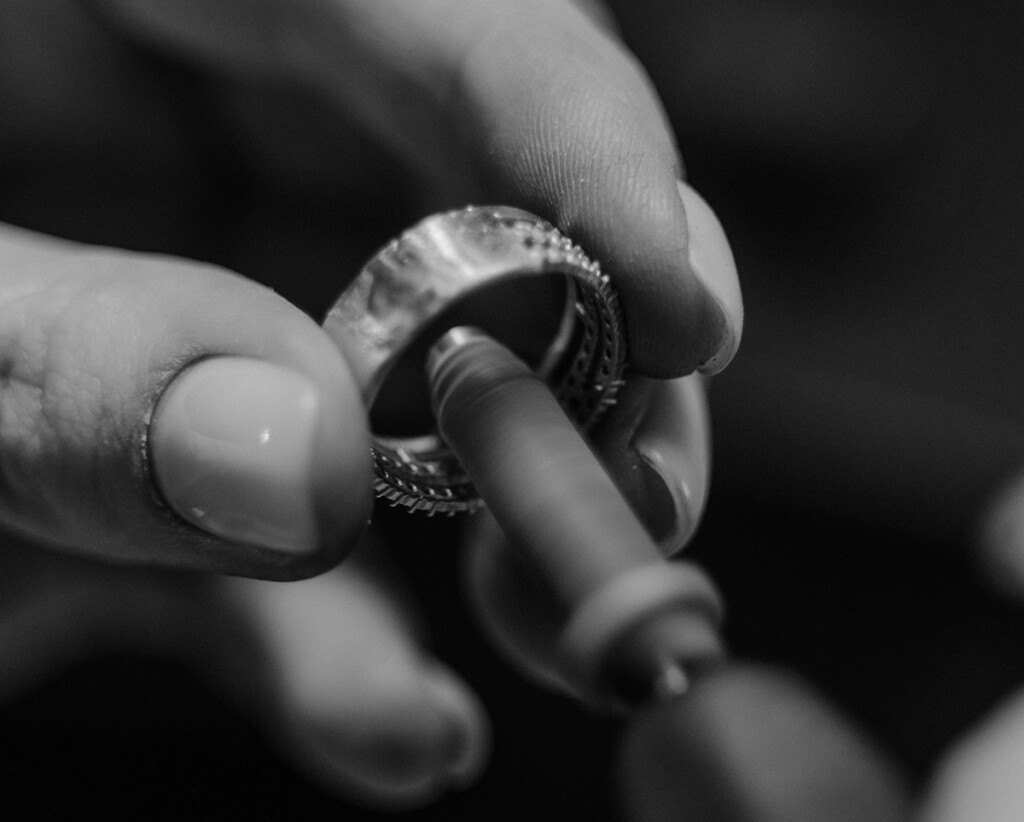
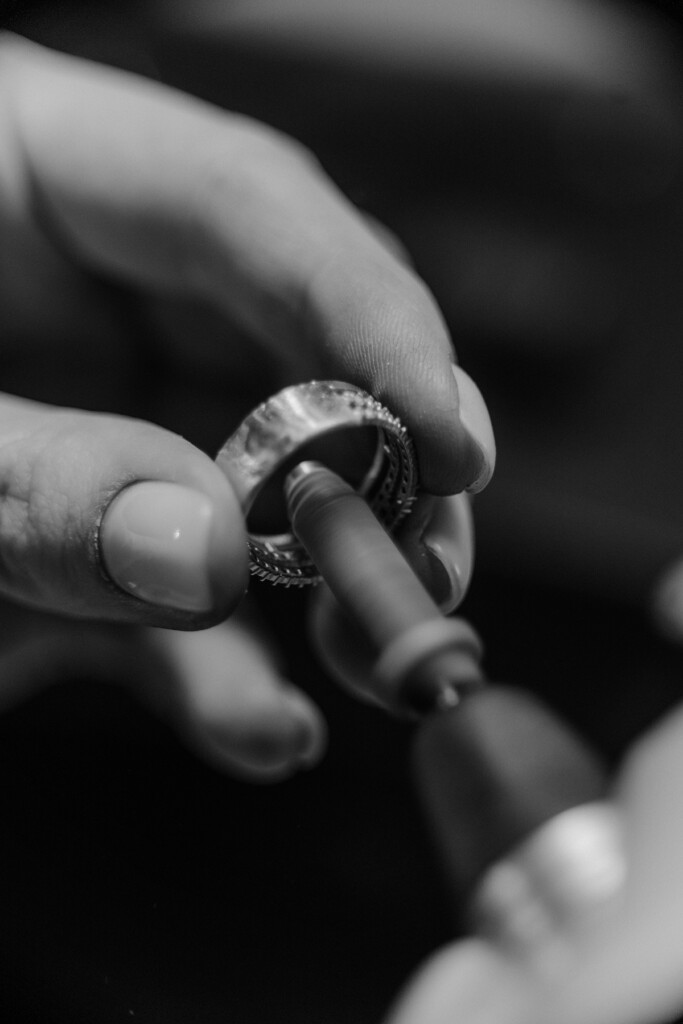
Photo credit: Tima Miroshnichenko on Pexels.com.
Integrated education across the entire value chain
One of IFJA’s most innovative features will be its integrated educational approach. The academy will not limit itself to teaching goldsmithing and manufacturing techniques; rather, it will provide a comprehensive understanding of the journey that leads to the creation and commercial success of a high-end jewellery product.
The first cohort, scheduled for the 2026–27 academic year, is expected to comprise approximately 30 students selected through an international admissions process.
This limited cohort size will ensure a high level of individual attention, strong engagement in practical activities, and direct interaction with faculty members, industry professionals, and partner companies.
Students will be trained to understand and manage all major stages of the production and commercial process, including:
- Design and creative development
- Knowledge of precious materials and gemstones
- Manufacturing and production techniques
- Technological innovation applied to production
- Quality control
- Sustainability and corporate responsibility
- Dynamics of international luxury markets.
The objective is to develop professionals capable not only of creating jewellery of the highest quality, but also of understanding its cultural, economic, and commercial value within an increasingly competitive and complex global marketplace.
Collaboration with industry
A fundamental element of the project will be its strong connection with the productive sector. Through partnerships with companies, workshops, designers, manufacturers, and industry organisations, IFJA will provide students with meaningful opportunities for experiential learning.
These industry collaborations will integrate theoretical education with practical experience, facilitating the direct transfer of professional expertise and supporting young professionals in their transition into the labour market.
This model will also enable companies to play an active role in shaping the next generation of industry professionals, ensuring that the skills developed correspond to the actual needs of the sector.
The International Fine Jewellery Academy was officially introduced to the public during a seminar on September 6, 2025, during the VICENZAORO jewellery show, as part of CIBJO’s Jewellery Industry Voices seris. The seminar was moderated by Steven Benson, CIBJO Communications Director,and panellists included Gaetano Cavalieri, CIBJO President; Marie-Claire Daveu, Chief Sustainability and Institutional Affairs Officer, Kering; Alessia Crivelli, Chair, Foundation Mani Inteligenti; Umberto Bellini, President, Asseprim/Vice President, Confcommercio Milano; Simonpaolo Buongiardino, President, CAPAC; and Gabriele Cartasegna, Director, CAPAC.
A project for the future of the global jewellery industry
The International Fine Jewellery Academy has also been conceived as a response to one of the most pressing challenges facing the international jewellery industry today, which is the gradual decline of specialised artisanal skills and the difficulty of ensuring effective generational renewal.
In many countries, demand for qualified professionals exceeds the available supply. At the same time, companies increasingly require advanced competencies that combine technical expertise, creative sensitivity, market knowledge, and awareness of ethical and environmental considerations.
Through IFJA, CIBJO and its project partners intend to make a tangible contribution to the education of a new generation of professionals capable of operating within an industry that is increasingly global, innovative, and sustainability-driven.
IFJA, therefore, aspires not only to be an educational institution, but also an international platform for knowledge sharing, collaboration between institutions and businesses, and the promotion of the highest professional standards within the jewellery sector.
Expected outcomes
Over the medium and long term, the International Fine Jewellery Academy is expected to become a global benchmark for education in the jewellery sector.
It is anticipated that:
- An increasing number of students from all continents will be attracted to IFJA
- The transfer of artisanal expertise to future generations will be strengthened
- Collaboration among educational institutions, businesses, and international organisations will expand
- A new generation of professionals will emerge, equipped with both advanced technical competencies and a strong understanding of sustainability and corporate responsibility
- Adoption of the international standards promoted by CIBJO will increase
- The competitiveness of the jewellery industry will be strengthened through the availability of new specialised skills.
The launch of educational activities during the 2026–27 academic year represents the first step in a project designed to grow progressively through the expansion of facilities, programmes, and international partnerships.
The International Fine Jewellery Academy is conceived as a long-term strategic investment in the future of the global jewellery value chain, helping to preserve the heritage of expertise that defines excellence within the sector while preparing the professionals who will lead its development in the years ahead.
NEW CIBJO GUIDES FOR OPAL AND JADE
Our goal for this past year has been to produce material guides that are designed to educate the industry overall, as well as the consumer, regarding the nomenclature and categorisations of opal and jade.
On the face of it, given that we are only speaking about two gem materials, this sounds like a simple task. However, the facts (nomenclature, history, and lore) surrounding both gems have been blurred for too long by “opinions” and certainly by a lack of understanding of differing “cultures.”
The two new guides, now complete, which will be showcased during CIBJO’s 100th anniversary Congress in Vicenza, have been developed by two expert working groups under the leadership of the Coloured Stone Commission.
For the Opal Guide, clear definitions are provided for all descriptive terms ahead of useful classification tables and written and visual explanations of the unique characteristics of this gem relative to all the present global sources. Treatments are described, as are the various forms of fashioning. Precious opal is compared with common opal as well as synthetics and simulants. The history of opal and opal mining is addressed, as well as modern operations. Important opal sources are fully described, alongside twenty lesser-known producing countries.
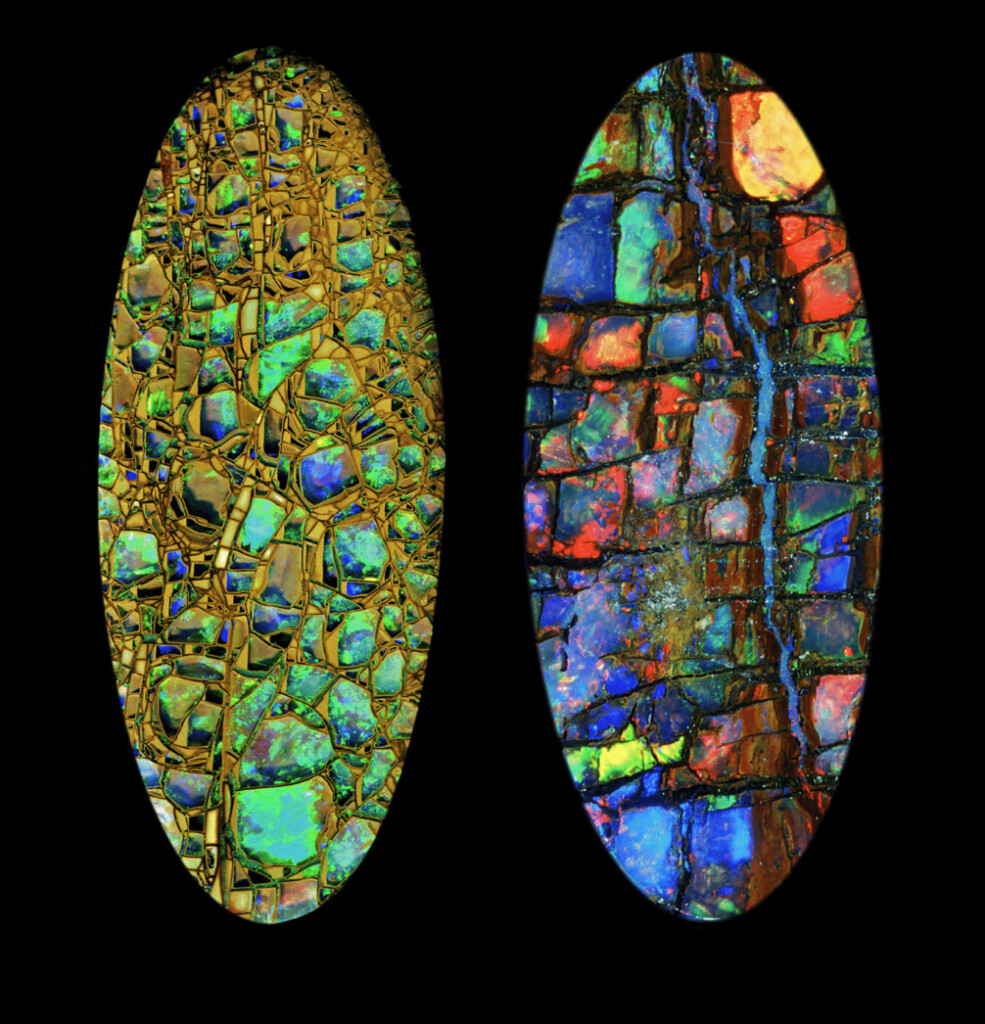
From CIBJO’s new Opal Guide, two unusual opals with colour distribution and structures similar to stained glass windows. (Photo credit: Emil Weis Opals.)
For the Jade Guide, important cultural distinctions are made, providing a detailed taxonomy for fei cui, jade, jadeite, nephrite, and yu, with very clear definitions for all the terminology used. A clear, integrated relationship chart is provided linking traditional Chinese terms with those used in the Western world, allowing the industry and the public to comprehend these important relationships. Historic timelines are also provided that show how the current nomenclature has developed over the centuries. This colourfully illustrated guide describes how this gem may be classified for colour, transparency, and texture, and how these may be evaluated.
Craftsmanship being an all-important element, this is dealt with in detail through text and images as well as video links. Artificial imitations as well as synthetic jade are described, alongside all known treatments and how these should be described. All the locations where fei cui, Jjade, jadeite and nephrite are mined are detailed in easily comprehensible tables. Various appendices set out the Chinese trade names for Fei Cui, and the English terms and pronunciation are tabulated alongside simplified Chinese, pinyin, and the international phonetic alphabet. Misnomers as well as trade and commercial names for jade may also be found in the appendices, as well as mineralogical explanations. In conclusion, the LMHC information sheet on jade and jade-related material is included.
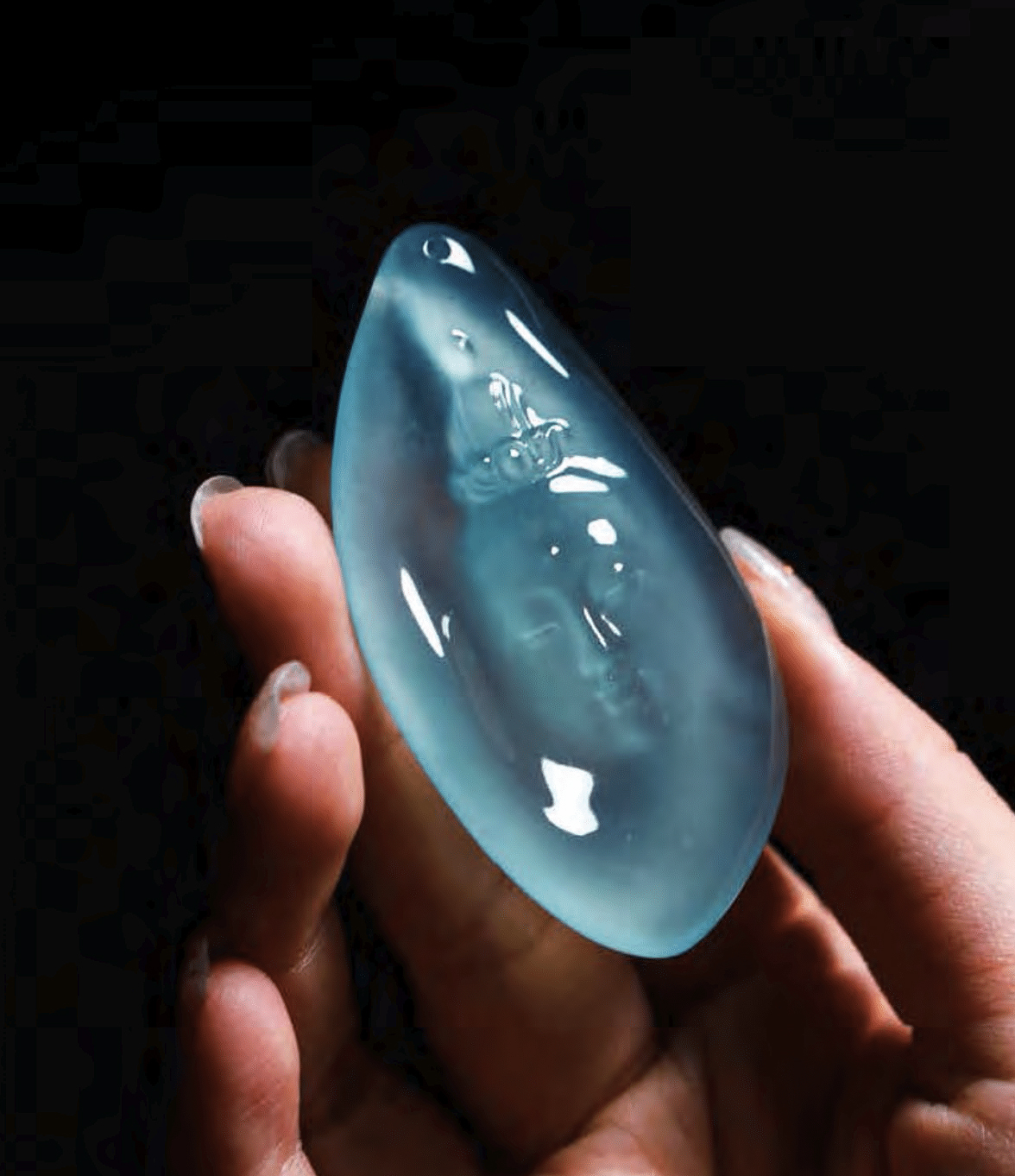
From CIBJO’s new Jade Guide “Blue Water,” a 202.51-carat Burmese fei cui specimen, carved by Zhuang Qingfang. (Photo credit: Zhuangjia Fei Cui.)
In Conclusion
CIBJO as an organisation relies upon the goodwill of its people. I would like to highlight that a huge amount of effort from a significant number of people, both inside and outside the organisation, has delivered these excellent new guides under the leadership of Ken Scarratt, and I wish to thank all those involved for their commitment to producing extremely valuable materials.
The work and immense dedication of so many people — CIBJO President Gaetano Cavalieri and many others in the CIBJO organization, to all our partners based in Milan — in developing the new academy will provide the industry with the tools it needs to move forward in a positive and professional manner, ultimately providing consumers with wonderful pieces of jewellery that they can buy with confidence and enjoy wearing forever.
As you will have noticed, this year’s report focuses on CIBJO’s new education initiatives. In the past, we have said much about marketing — that will be back on the agenda in the future. But one thing I will say about developing your marketing strategies is that today, the AI tools available to everyone provide a very strong set of guidelines and concepts on how to market jewellery successfully. I won’t repeat those messages here, suffice to say if you are thinking about what’s best in terms of your business marketing plans, a very good place to start is by using AI.
Wishing each and every one of you all the best for the year ahead.