

About Vicenza
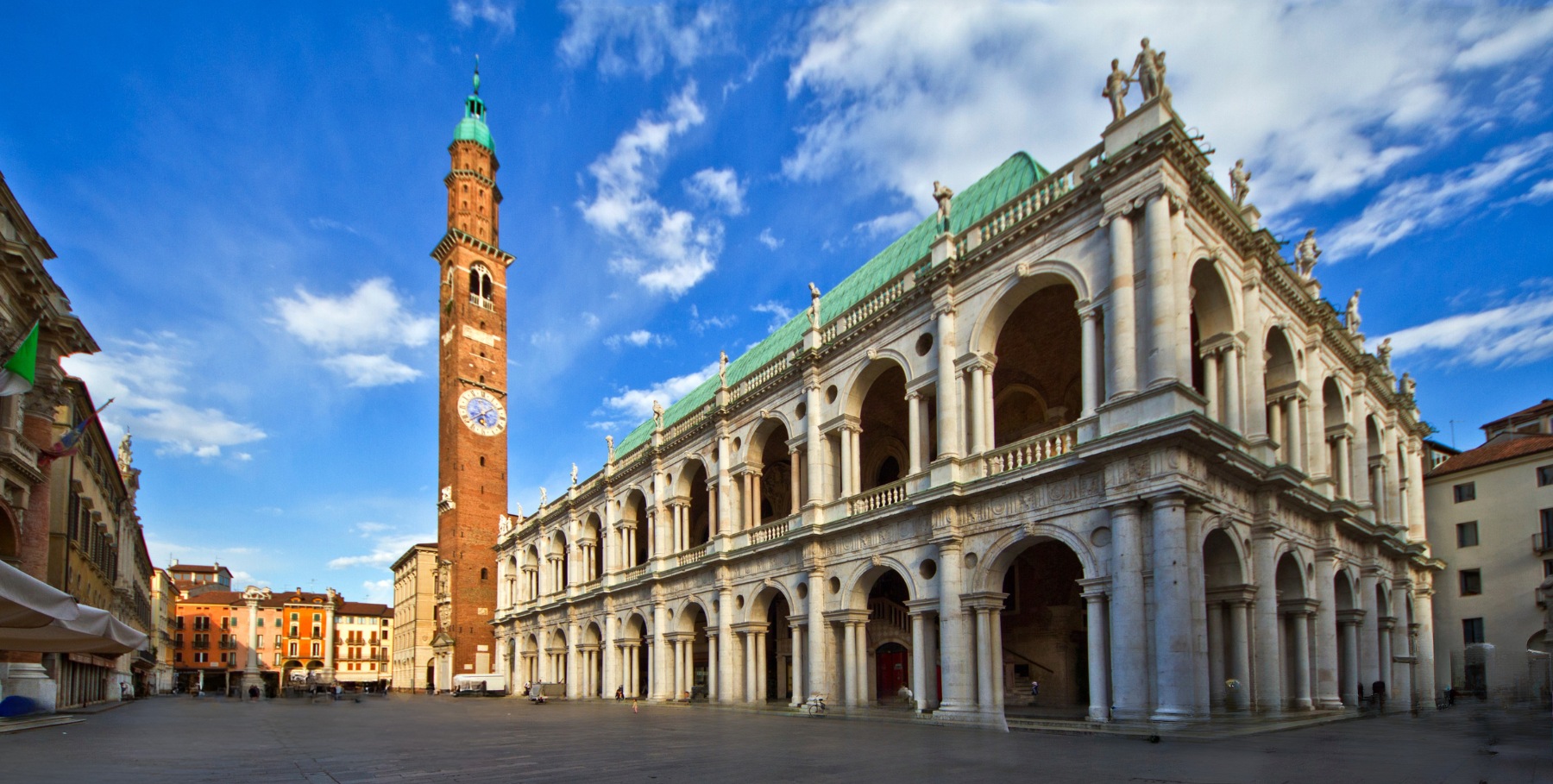
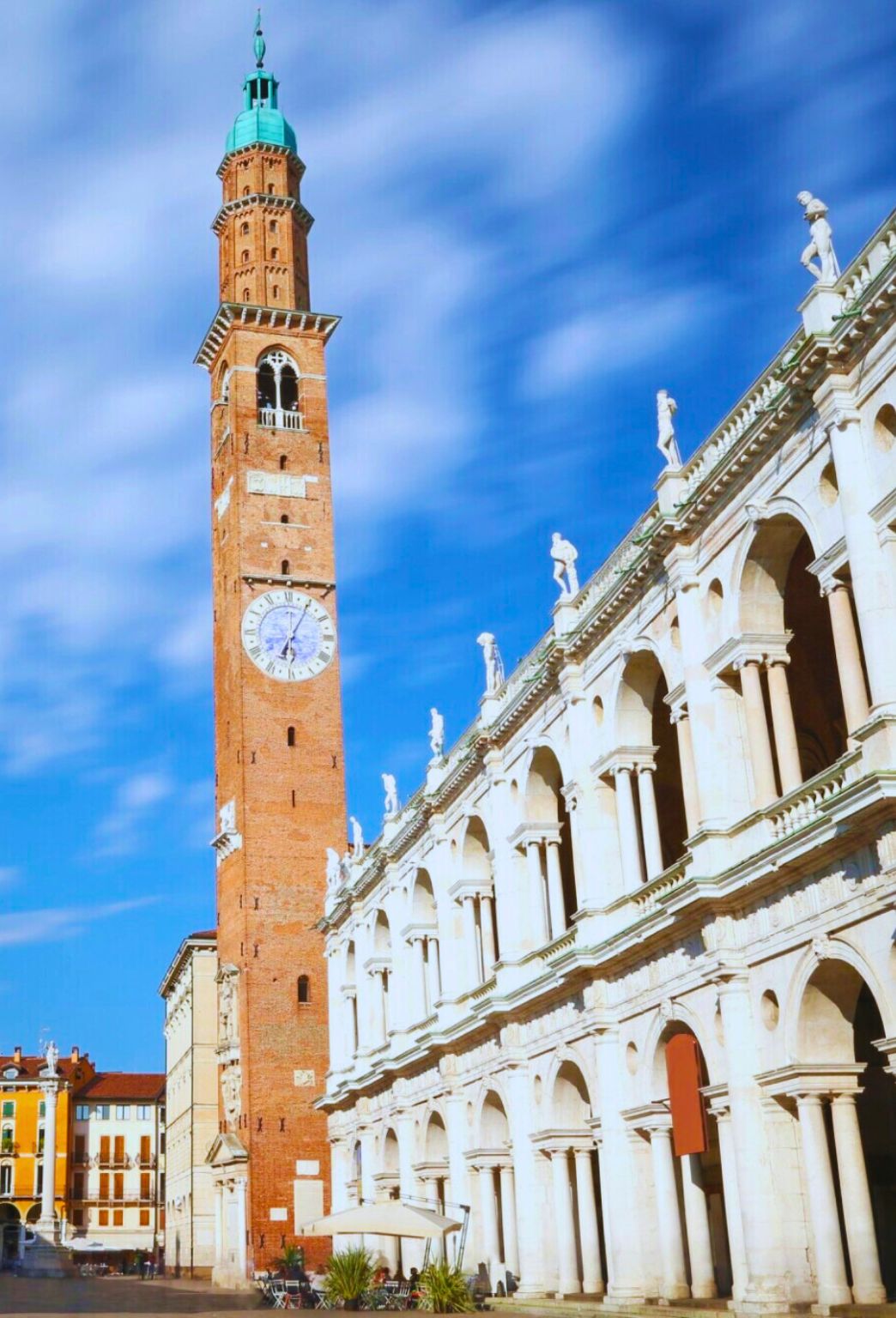
Vicenza’s iconic Basilica Palladiana and Torre Bissara overlooking the Piazza dei Signori, the old city’s central square. The basilica is today home to the Museo del Gioiello, a permanent 410-square-meter museum space dedicated to jewellery. (Credit: Trolvag on Wikimedia Commons)
For centuries, the northeastern Italian city of Vicenza has been inexorably associated with jewellery. Nestled in the Veneto region within sight of the foothills of the Alps, its story weaves together artisanal tradition, entrepreneurship, technological prowess and global trade.
Vicenza’s jewellery tradition stretches back almost three millennia. As early as the 8th century B.C., the ancient Veneti people were known to be skilled metalworkers, crafting intricate bronze and gold ornaments.
By 1339, the industry was so significant that the city established a goldsmith’s guild called Fraglia degli Orafi, which set strict standards for purity and craftsmanship, and created a “brand” for Vicentine gold even before the concept of branding existed.
During the Middle Ages, the Perònio, which would later become the Piazza dei Signori, Vicenza’s central square, served as the physical heart of the city’ jewellery trade. There workshops clustered under the shadows of the city’s civic buildings.
During the golden age of the Renaissance, Vicenza benefited from its position within the wealthy Republic of Venice and from the patronage of its urban elites. The elegant Palladian architecture, for which the city is famed, symbolised prosperity and cultivated a market for luxury goods.
Local goldsmiths honed techniques passed down through guilds and family workshops, mastering filigree, stone-setting and granulation. Among its most celebrated citizens at the time was Valerio Belli, a celebrated medallist, gem engraver and goldsmith, who was said to be a friend of Michelangelo and Raphael. His work raised the bar for Vicentine artisans, shifting the focus from craft to high art.
In 1577, to protect the city from a plague threatening the region, a silver model of Vicenza itself was commissioned, and presented as an offering at the Church of the Madonna of Mount Berico. Known as the Gioiello di Vicenza, it disappeared during the Napoleonic Wars some 200 years later. But it was reconstructed in 2011 and remains a symbol of the Vicenza’s spiritual and economic devotion to the jewellery craft.
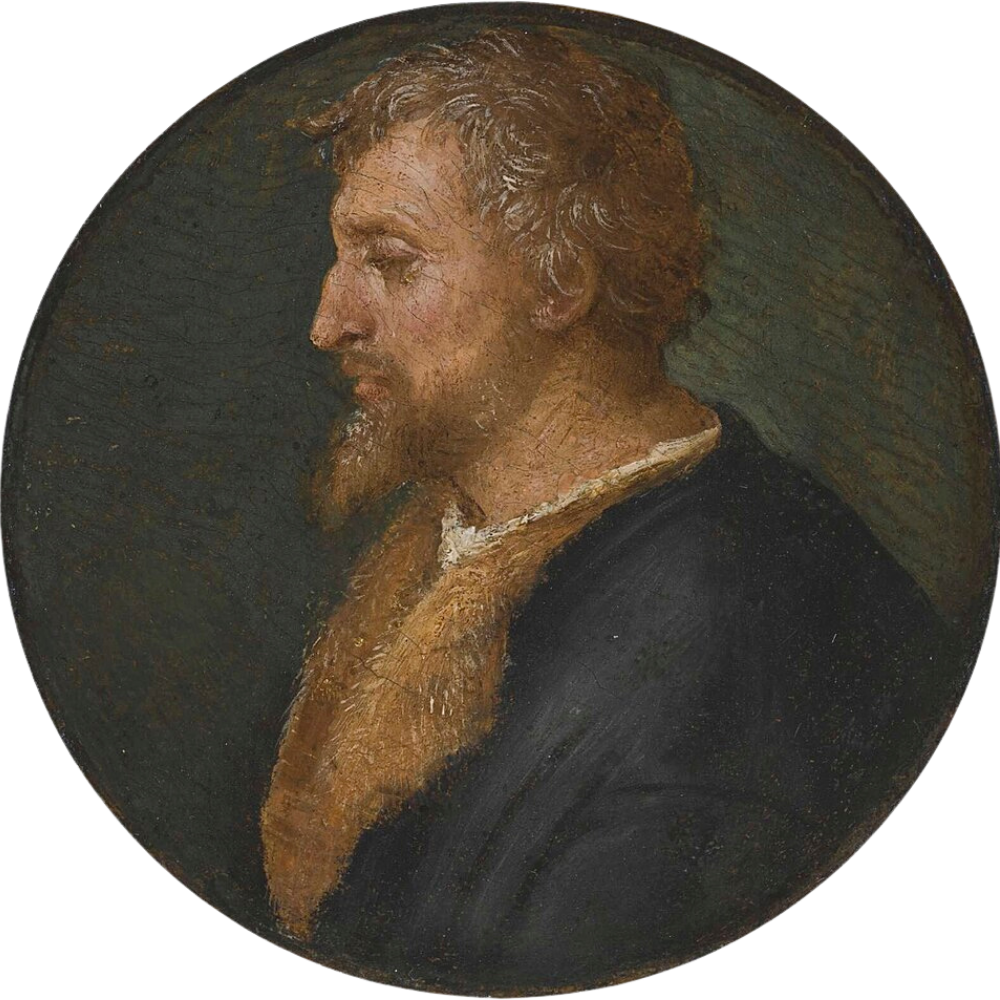
A profile portrait of Valerio Belli by Raphael, a Renaissance master. Belli, who was born in Vicenza, was a celebrated goldsmith and gem engraver, and a known friend of Raphael and also Michelangelo. (Credit: Wikimedia Commons)
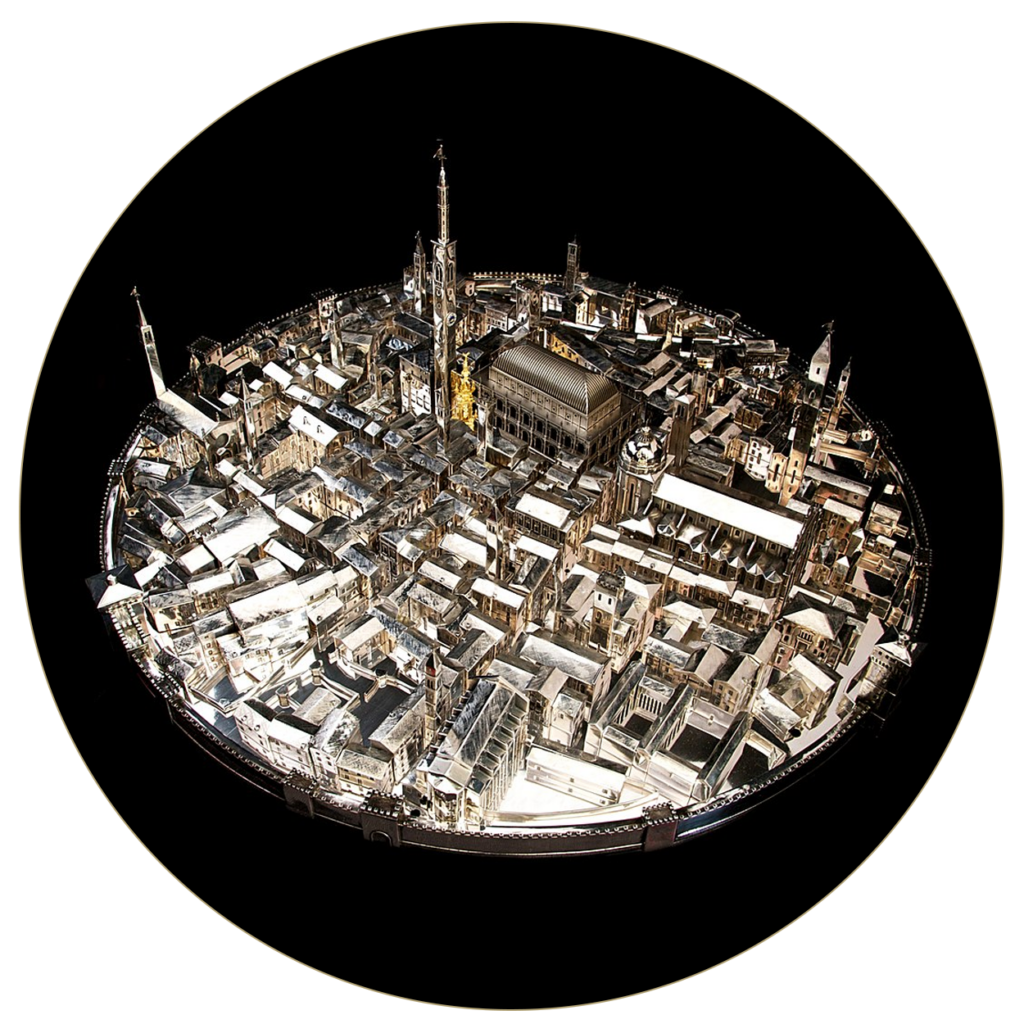
The reconstructed Gioiello di Vicenza, a recreation of the silver model of Vicenza as it appeared in 1577, which is on permanent display at the Diocesan Museum in Vicenza. (Photo credit: Wikimedia Commons)
Over time, small workshops multiplied into clustered enterprises concentrated in neighbourhoods and surrounding towns, creating an ecosystem where designers, casters, setters, finishers and suppliers all operated in close proximity to one another.
The 20th Century brought industrialization and modernization to Vicenza, which developed into a global centre for jewellery manufacturing, setting industrial standards for factory management and mechanical production. But many of the large-scale operations were downsized in the mid-20th century, following the broader shift of the Italian jewellery market toward smaller, highly specialized companies and international distribution networks.
Today Vicenza’s jewellery industry is hybrid, with highly skilled craftsmen coexisting alongside advanced manufacturing technologies. Studios and ateliers still produce bespoke haute-joaillerie, while nearby factories employ CAD/CAM systems, 3D printing, precision casting and laser welding for rapid prototyping and repeatable production.
The Vicenza jewellery community, which also encompasses the nearby towns of Trissino and Bassano del Grappa, includes more than 700 jewellery companies employing nearly 10,000 people.
But for many in the international jewellery industry today, Vicenza is most closely associated with the VICENZAORO jewellery trade shows, which attracts tens of thousands of professionals every January and September.
While Vicenza hosted a general trade fair as far back as in 1948, VICENZAORO traces it roots to the first dedicated show for the jewellery industry in Italy. Launched in 1954, it was called National Gold and Silver Exhibition, and for its first two decades took place in the Salvi Gardens in the centre of the city.
The show moved to the Fiera di Vicenza in western industrial area of Vicenza in 1971. Today it is considered to be one of the world’s top three B2B jewellery trade fairs, showcasing the entire supply chain, as well as advanced manufacturing technology and, most importantly, “Made in Italy” designs, craftsmanship and brands.
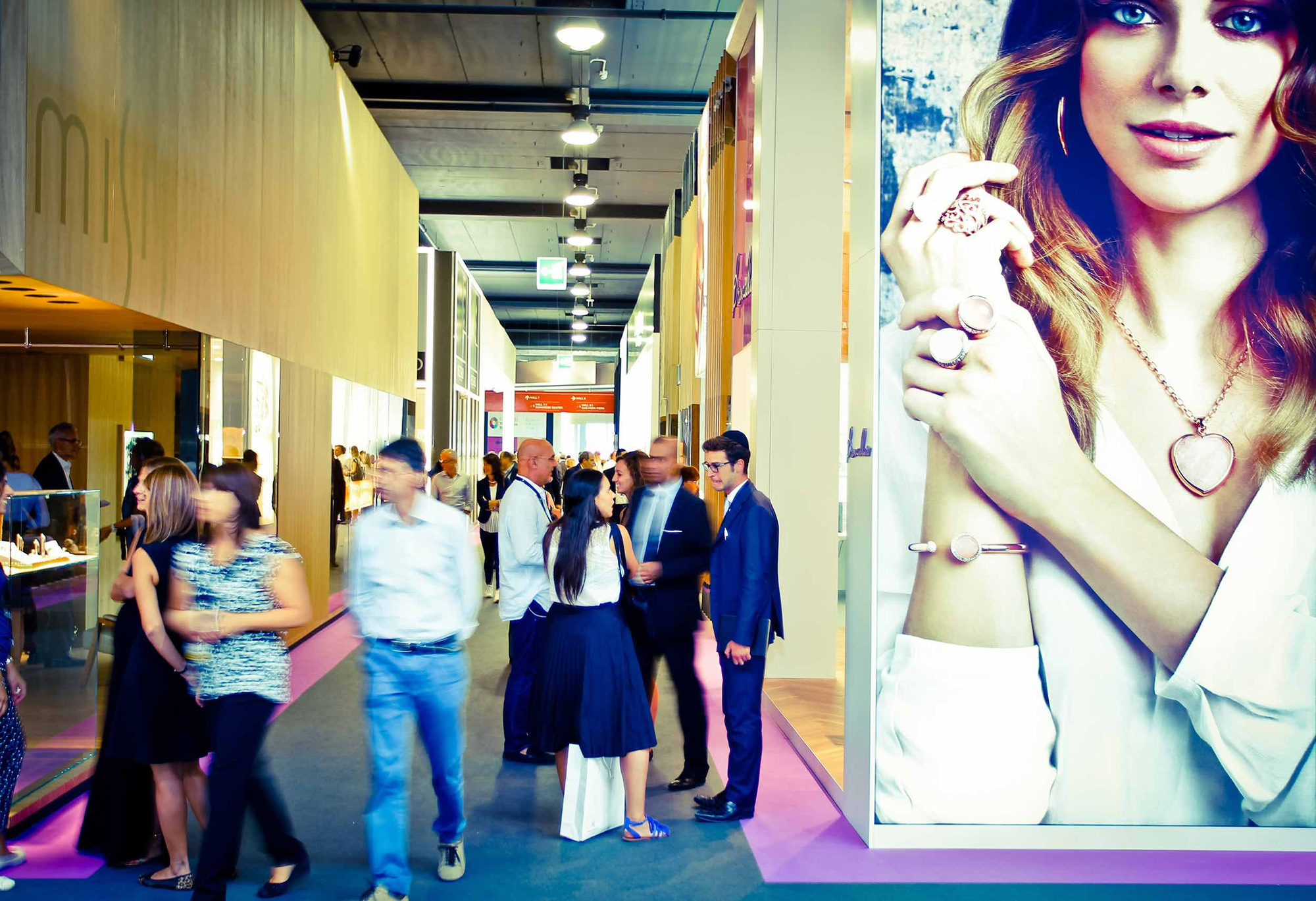
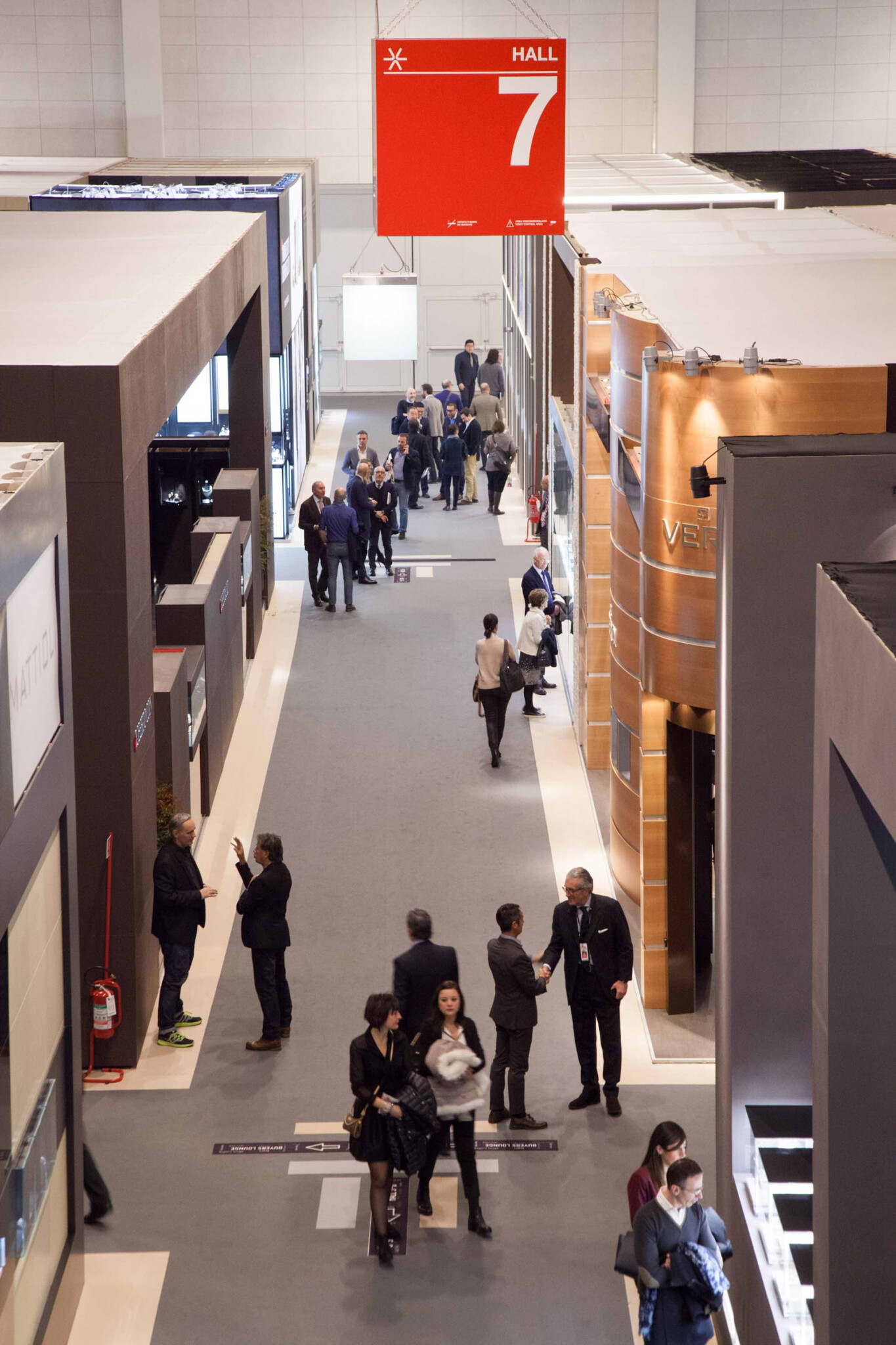
To many in the international jewellery industry, Vicenza today is most closely associated with the VICENZAORO trade shows, which take place at the Fiera di Vicenza twice every year, In January and September. (Photo credit: Italian Exhibition group).