CIBJO presents new suite of tools
to drive sustainability forward
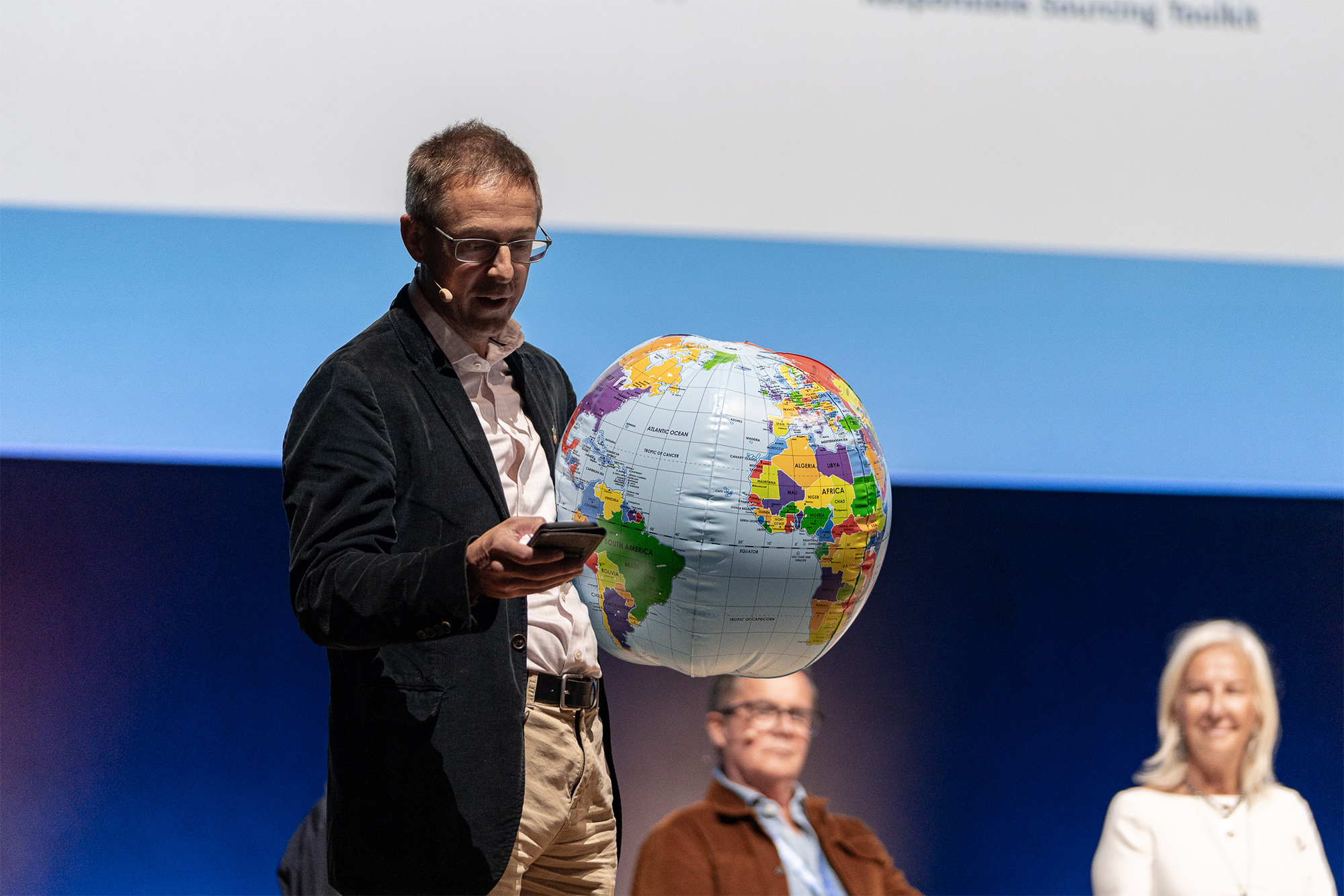
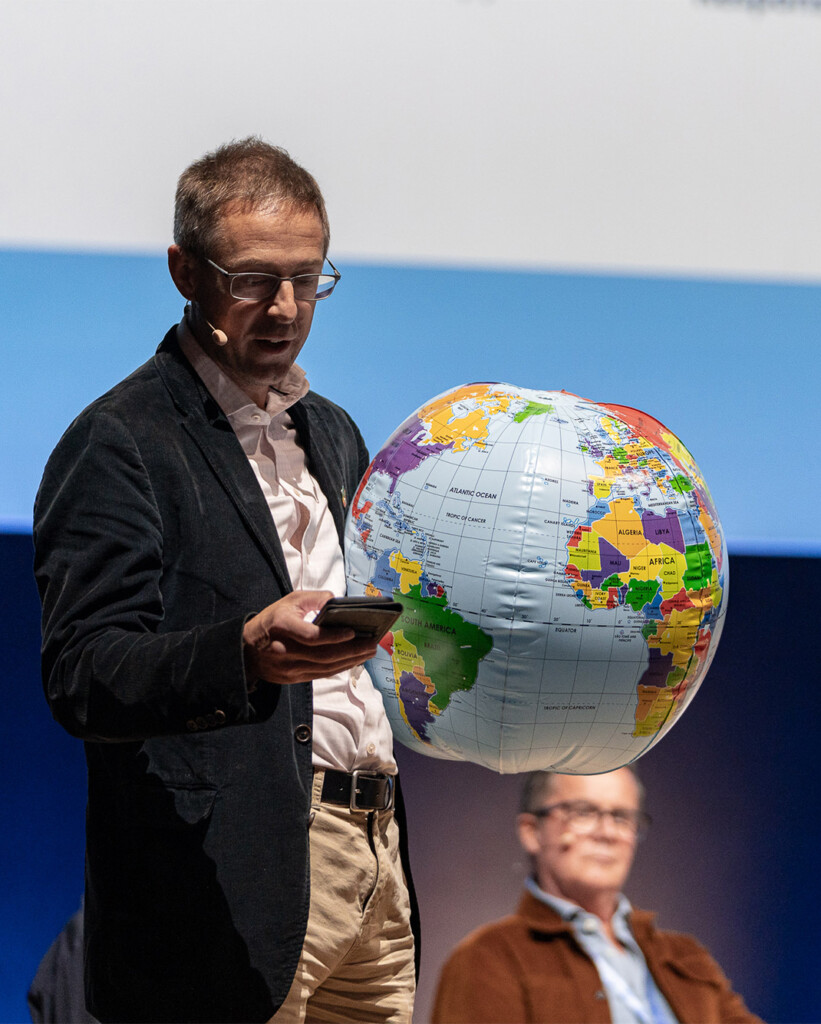
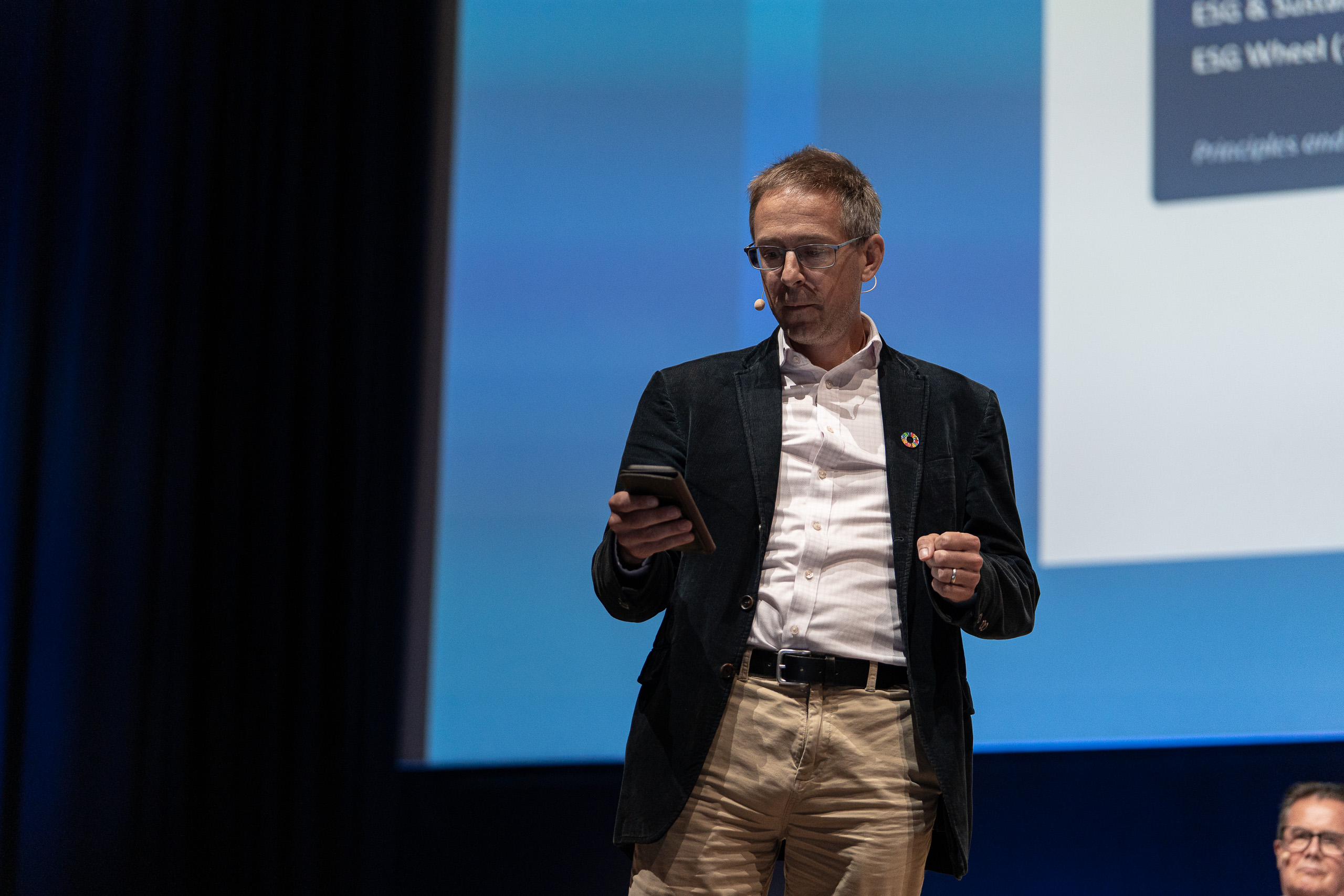
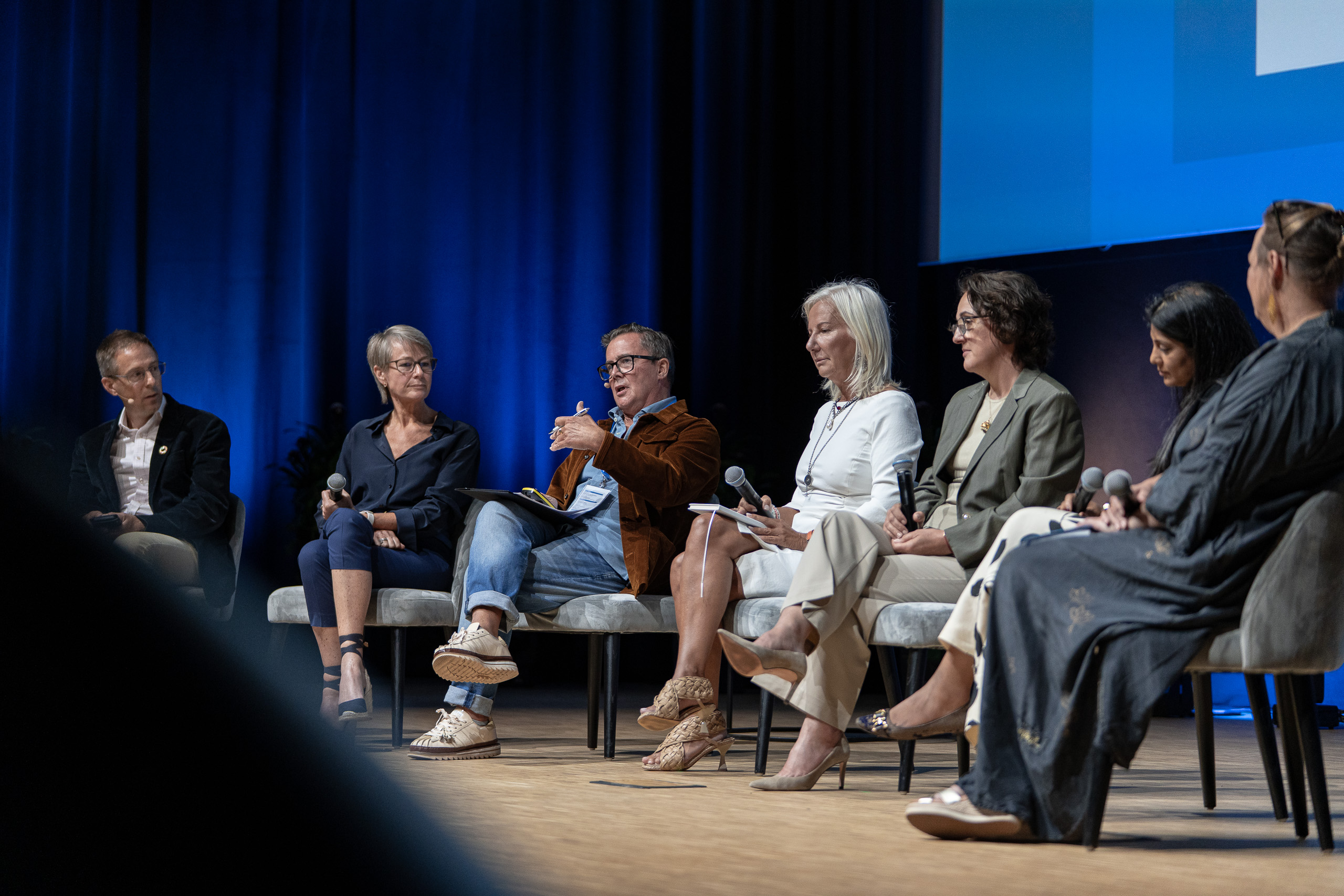
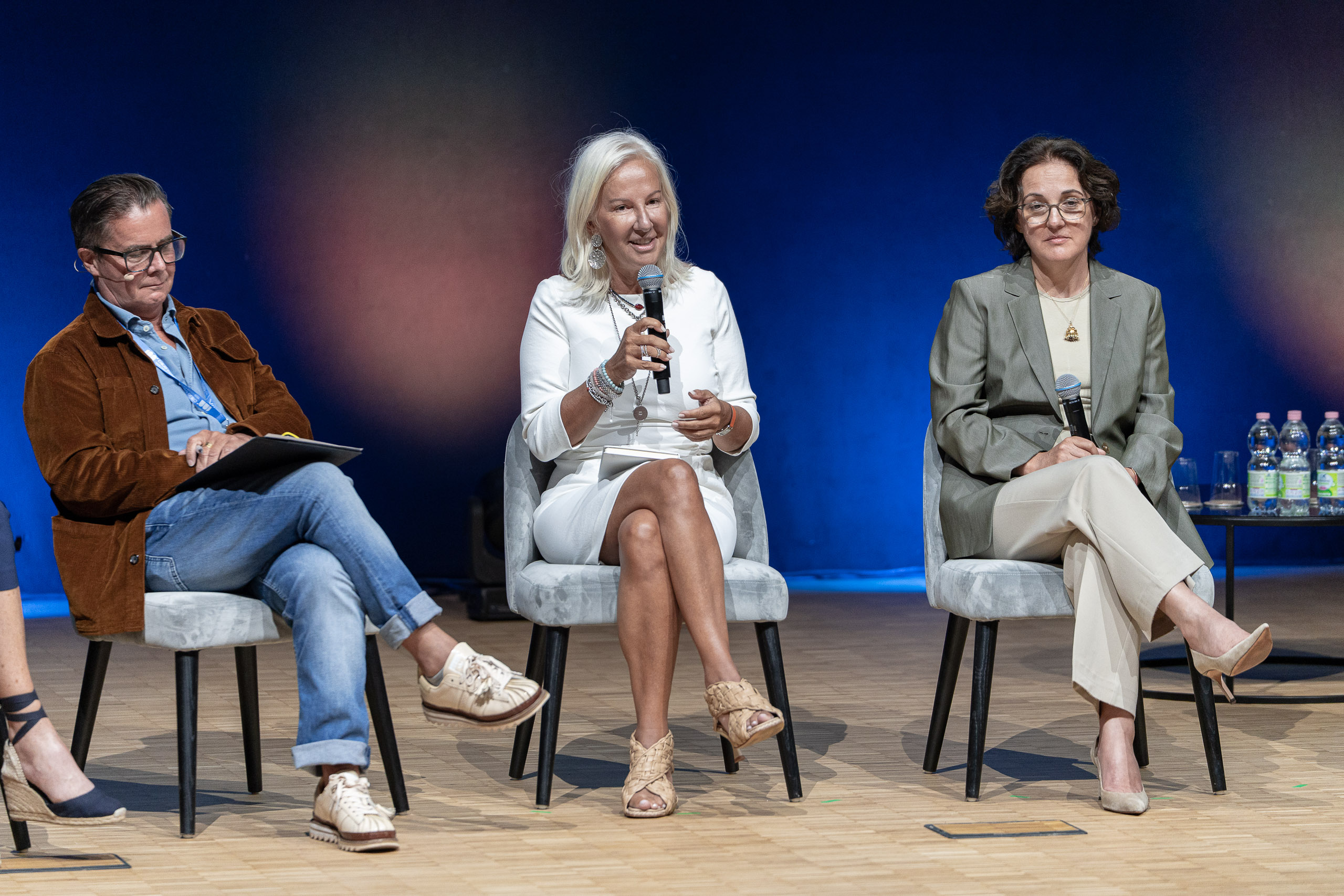
ESG consultant Jon Key used a beach ball globe as a prop to illustrate the jewellery’s industry impact on natural resources and environmental sustainability during the Sustainable Development Commission session at the 2026 CIBJO Congress, on September 5, 2026 in Vicenza, Italy.
SEPTEMBER 5, 2025
CIBJO has presented a new suite of tools to help jewellery market participants move towards greater sustainability, among them a revised Responsible Sourcing Toolkit, which provides all participants at no cost the basic elements required to conduct responsible sourcing on their supply chains.
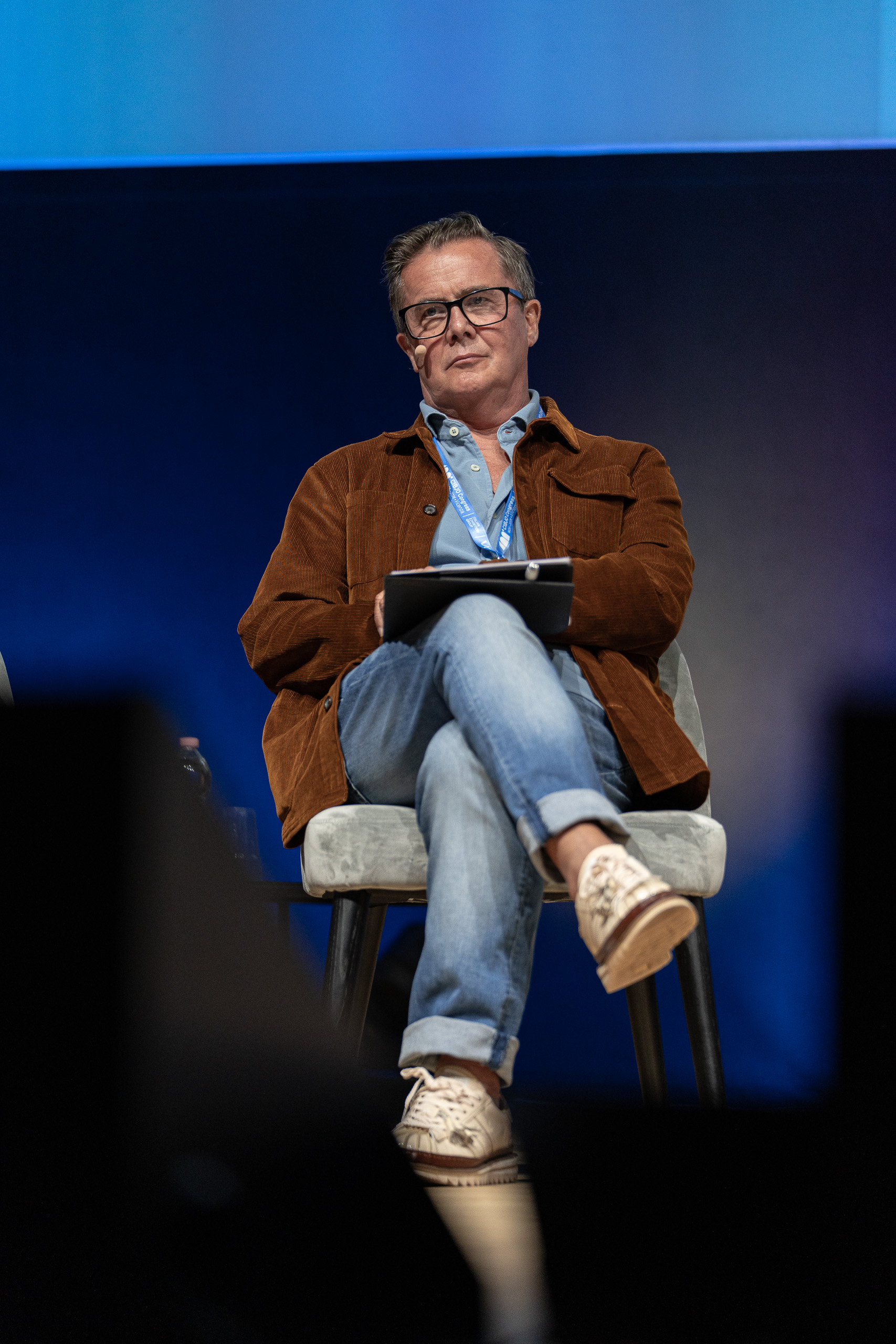
John Mulligan, President of CIBJO Sustainable Development Commission, who moderated the session titled “Trust for the next century: responsibility, collaboration and impact,” said the toolkit had incorporated a major rewrite to simplify it, compared with CIBJO’s previous guidance.
The RS Toolkit will serve the interests of SMEs, which form the bulk of jewellery and gemstone industry participants around the world. It is of a series of tools being released by CIBJO to assist with responsible sourcing and ESG commitments.
“The tools are the start and not the finish,” Jon Key, CEO of Key & Co.
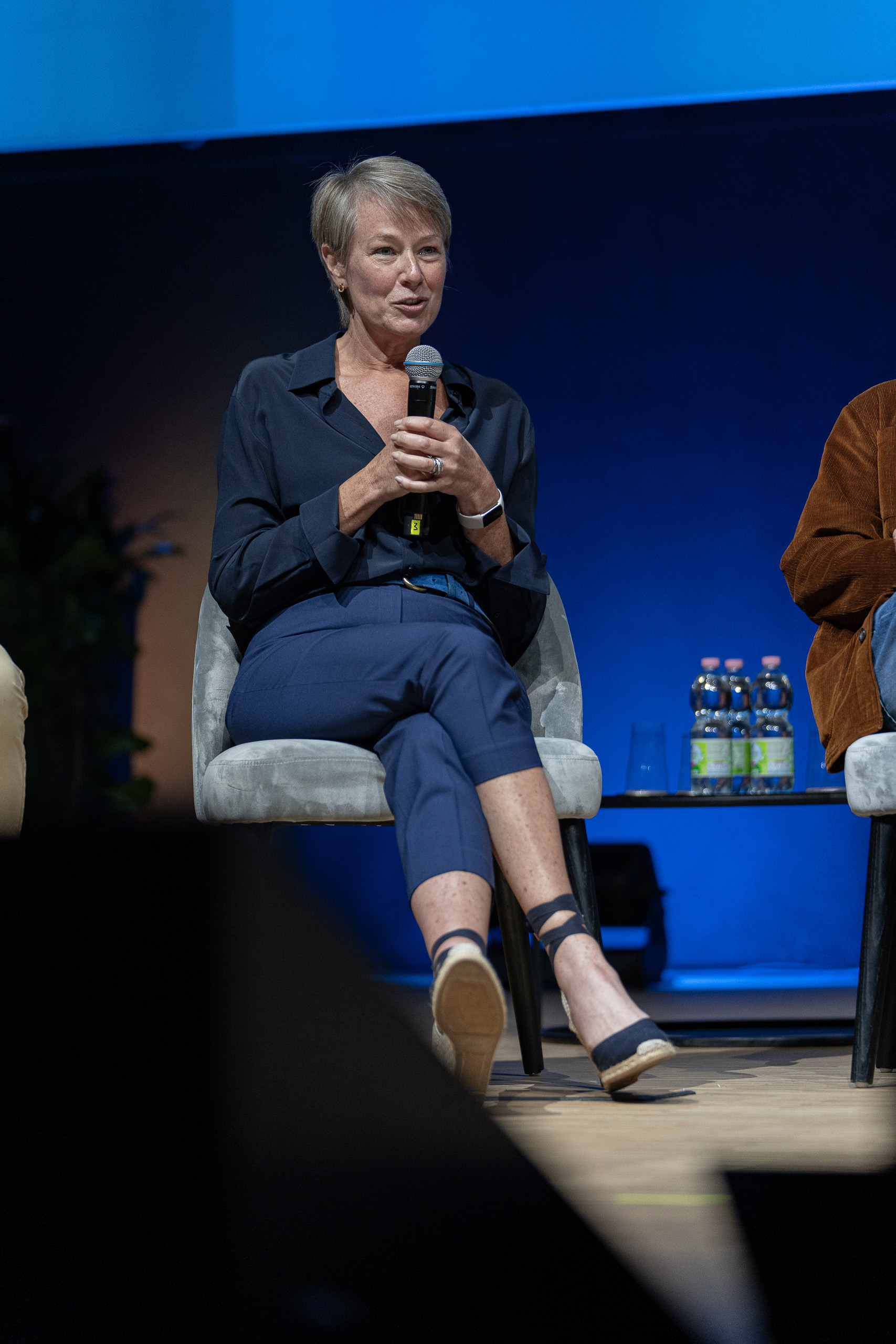
The current global market rewards those who do not carry the cost of sustainability, Helen Mitchell, an ESG consultant and colleague of Key. “This is not about idealism. Although we have companies out there taking action on sustainability, they are still the few,” she said.
She urged jewellery markets to move together to deliver more sustainable approaches.
Iris Van Der Veken, Executive Director and Secretary General of the Watch & Jewellery Initiative 2030 (WJI 2030), said science, data and impact were evolving to generate effective action to achieve greater sustainability.
“We are here to help the industry de-risk, make companies more compliant and create more impact towards sustainability,” she said.
Ms. Van Der Veken also said the availability of water supplies was becoming a more pressing issue facing the global jewellery industry.
“We (WJI 2030) have been building a strategy for water security,” she said.
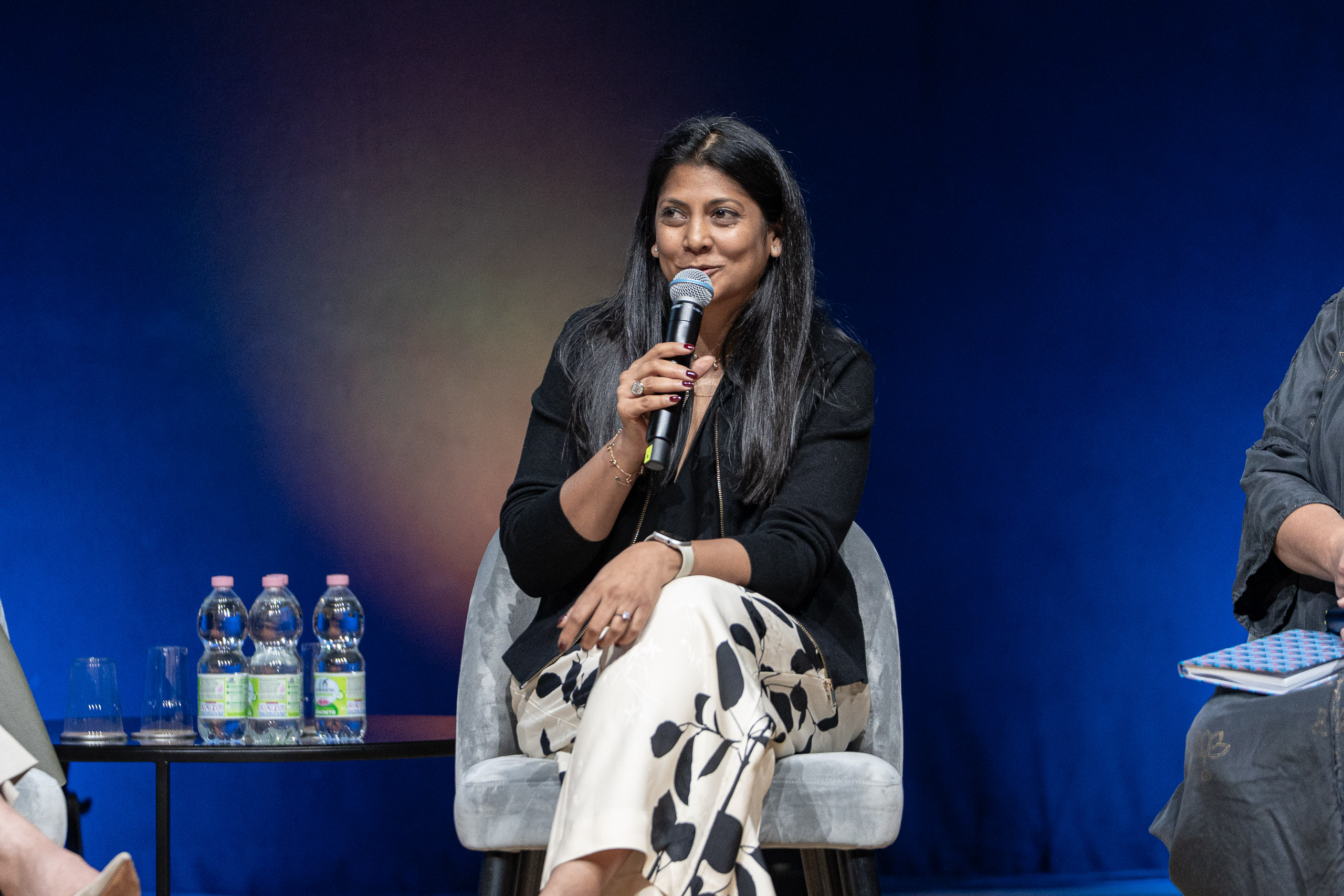
Purvi Shah, CEO of the Responsible Jewellery Council (RJC), referred to the importance of developing collaborations in the industry to drive progress among industry participants towards greater sustainability.
“The sum of the whole is far greater than its individual parts,” she said.
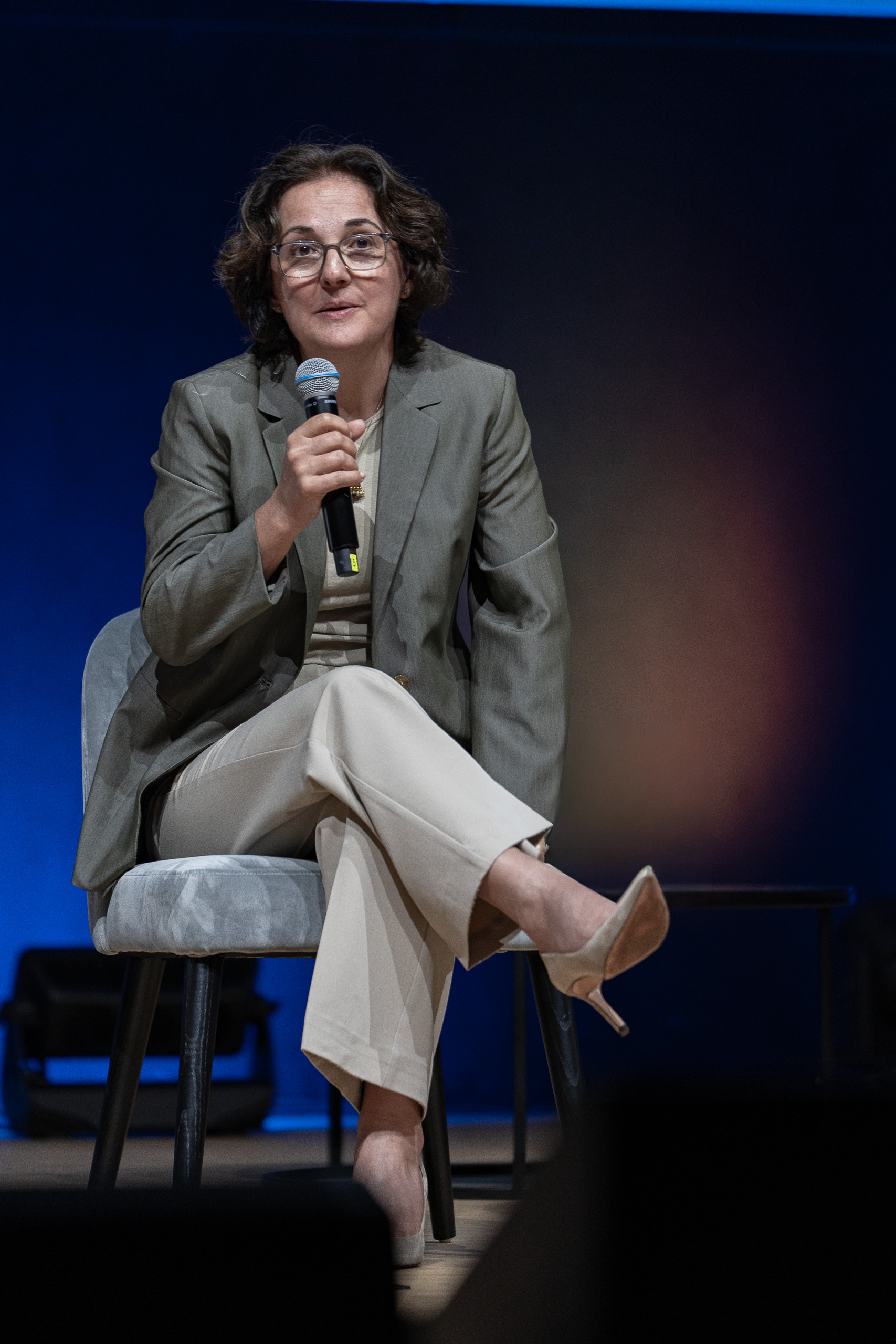
Diana Culillas, CEO of the Swiss Better Gold Association (SBGA), which supports responsibly produced gold from artisanal and small-scale mining, told the panel that closer collaboration between SBGA and artisanal miners was needed on the ground to understand miners’ requirements for moving towards greater sustainability.
She added that scalability was a major objective for SBGA as it seeks to increase production of responsibly sourced gold.
“Inclusiveness is part of how we act — you cannot expect to apply the same (sustainability) instruments to a small-scale miner and to a large refiner,” she said.
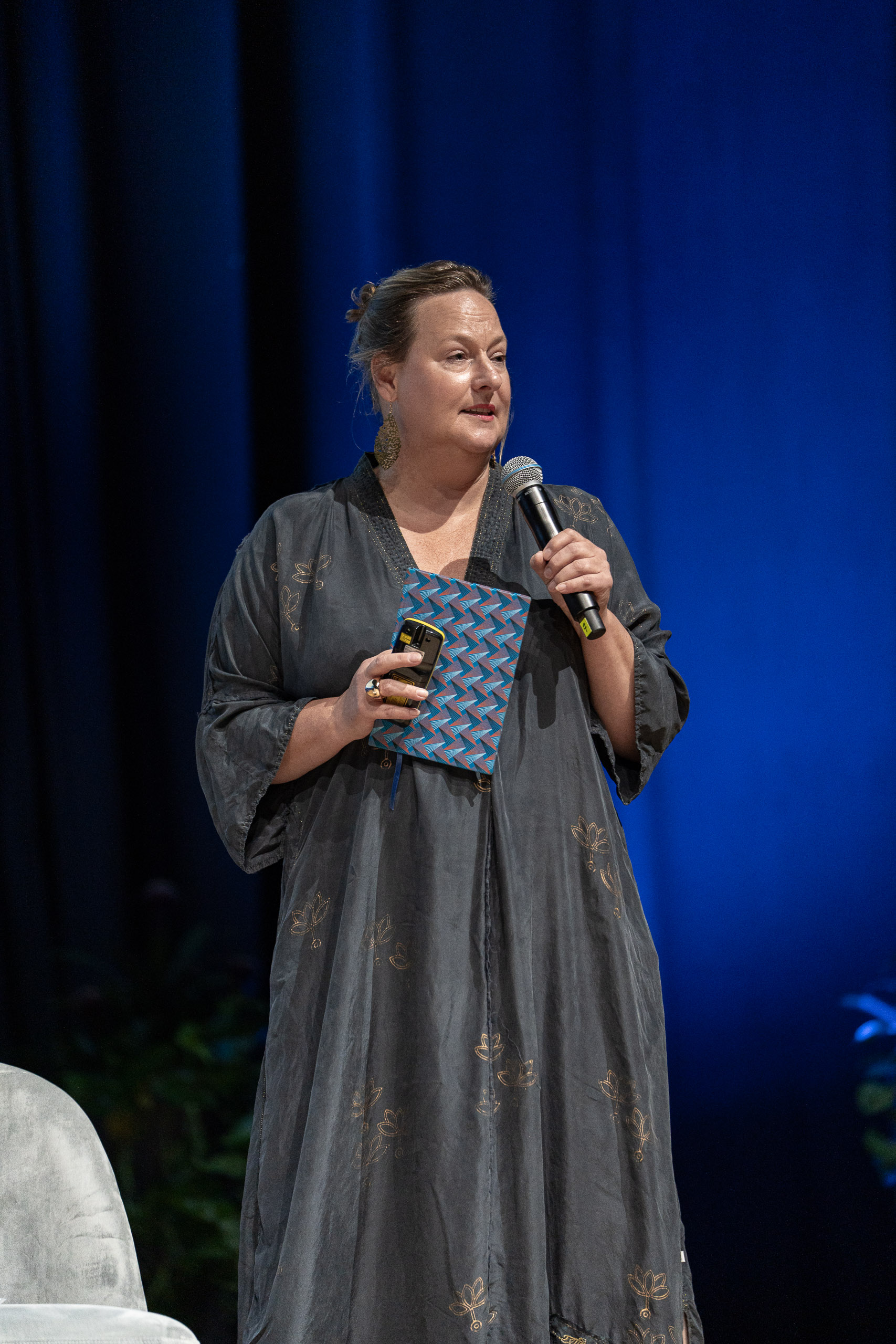
Alex Buck, CEO, ESG, at Endeavour Mining, gave a presentation to the panel about the company, a top 10 global gold producer and Single Mine Origin member, which is taking steps to achieve greater sustainability.
The miner has a local stakeholder engagement plan and an ESG governance and accountability strategy embedded across the business.
“We have an incentives plan, which has an ESG component,” she said.
“Our purpose is to produce gold that has meaningful value to people.”
Endeavour has branded its ESG strategy “On Est Ensemble” (We are Together), which includes moves towards greater diversity and has increased the number of women hired in the mining industry.